
Buy Oxycodone Pills Online
Buy Oxycodone Pills Online. Order in standard dosages, including 5mg, 10mg, 15mg, 20mg, and 30mg tablets. Used for managing moderate to severe pain.
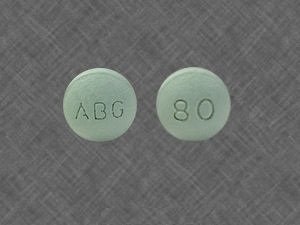
-
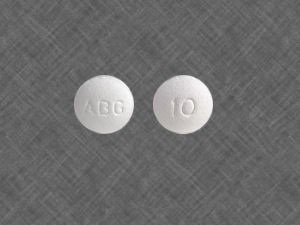
Oxycodone 10 mg
Price range: $538.00 through $1,514.00 -

Oxycodone 20 mg
Price range: $558.00 through $1,524.00 -
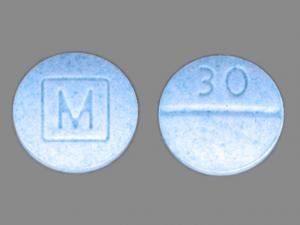
Oxycodone 30 mg
Price range: $562.00 through $1,529.00 -
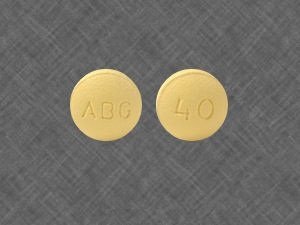
Oxycodone 40 mg
Price range: $567.00 through $1,537.00 -
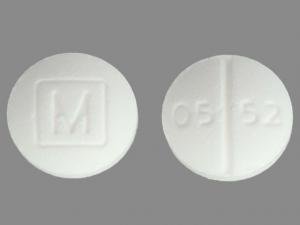
Oxycodone 5 mg
Price range: $533.00 through $1,507.00 -
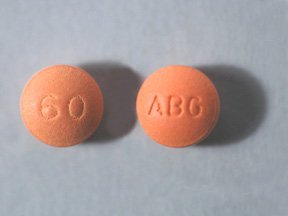
Oxycodone 60 mg
Price range: $572.00 through $1,541.00 -
Oxycodone 80 mg
Price range: $579.00 through $1,547.00
Oxycodone is a name that has become synonymous with both pain relief and public health crisis. Unlike many modern pharmaceuticals that are entirely synthetic, oxycodone has a long and fascinating history. It is a semisynthetic opioid, first derived from thebaine, an alkaloid found in opium poppies, in Germany in 1916 .
Introduced into clinical use just one year later in 1917, oxycodone has been available for over a century . Its journey from a newly synthesized analgesic to one of the most prescribed—and misused—medications in the world offers critical insights into the promises and perils of opioid therapy.
This comprehensive guide explores oxycodone through a different lens, covering its historical context, complex pharmacology, approved uses, significant risks, and the ongoing efforts to formulate safer versions. This information is for educational purposes only and does not constitute medical advice. Always consult a healthcare professional before starting or stopping any medication.
The Pharmacology of Oxycodone: How It Works
Mechanism of Action
Oxycodone is a potent semisynthetic opioid agonist with a high affinity for mu-type opioid receptors, and to a lesser extent, kappa- and delta-type receptors . These receptors are part of the body’s natural pain-management system, located in the brain, spinal cord, and other areas.
When oxycodone binds to these receptors, it initiates a cascade of intracellular events:
- It stimulates the exchange of guanosine diphosphate (GDP) for guanosine triphosphate (GTP) on the G-protein complex .
- This inhibits adenylate cyclase, decreasing intracellular cyclic adenosine monophosphate (cAMP) .
- This signaling leads to the inhibition of pain-related neurotransmitters, including substance P, glutamate, and noradrenaline .
- The result is hyperpolarization and reduced excitability of neurons in the central nervous system (CNS), effectively blocking pain signals .
Unique Pharmacokinetics
What makes oxycodone distinct from morphine is its high oral bioavailability. While morphine’s effectiveness is significantly reduced when taken orally, oxycodone maintains about 60-87% of its potency, making it highly effective in pill form.
- Metabolism: Oxycodone is primarily metabolized in the liver by the enzymes CYP3A4 (producing noroxycodone) and CYP2D6 (producing oxymorphone). Interestingly, oxymorphone itself is a potent opioid, contributing to the drug’s overall analgesic effect .
- Onset of Action: Immediate-release formulations begin working in 10 to 30 minutes .
- Duration of Action: Effects last 3 to 6 hours for immediate-release and up to 12 hours for controlled-release formulations .
Approved Uses and Indications
Oxycodone’s indications have remained relatively consistent over the past century, though prescribing guidelines have become significantly stricter.
FDA-Approved Indications
Cancer Pain and Breakthrough Pain
Early clinical studies have demonstrated that when administered orally, intramuscularly, or intravenously, oxycodone produces pain relief similar to or, in some cases, more effectively than that of other μ-opioid receptor agonists . It has been extensively studied and used for cancer pain management, where its predictable pharmacokinetics are particularly valuable .
Limitations of Use
Due to the risks of addiction, abuse, and misuse, oxycodone is reserved for patients for whom alternative treatment options have not provided adequate analgesia or are not expected to be tolerated . It should not be used for an extended period unless the pain remains severe enough to require an opioid and alternative treatments continue to be inadequate .
Dosage and Administration Guidelines
Available Formulations
Oxycodone is available in a wide variety of formulations:
Standard Adult Dosing
Acute Pain (Opioid-Naive Patients):
- Initial dose: 5 mg to 15 mg every 4 to 6 hours as needed .
- Titrate upward based on pain control and adverse effects.
Chronic Pain:
- Start at the lowest possible dose: 2.5 mg to 10 mg every 4 to 6 hours .
- Administer on a regularly scheduled basis (around-the-clock) to prevent pain recurrence rather than treating it after it starts .
Special Population Adjustments
- Hepatic Impairment: Reduce starting dose to 33-50% of the normal dose and titrate carefully .
- Renal Impairment (CrCl < 30 mL/min): Reduce dose to 50-75% of the usual dose .
- Elderly Patients: Initiate at one-third to one-half the usual adult dose and monitor closely .
- Pediatric Patients: 0.05-0.15 mg/kg/dose every 4-6 hours as needed (oral) .
Overdose Symptoms and Emergency Response
Clinical Presentation of Overdose
Acute oxycodone overdosage presents with a classic triad of opioid toxicity symptoms :
The “Opioid Overdose Triad”:
- Respiratory Depression: The most serious and life-threatening effect. Breathing may be shallow, slow, or stop completely .
- CNS Depression: Progressing from somnolence (extreme drowsiness) to stupor and coma .
- Miosis: Constricted (pinpoint) pupils. However, marked mydriasis (dilated pupils) may be seen with hypoxia in severe overdose .
Other Signs and Symptoms:
- Skeletal muscle flaccidity
- Cold and clammy skin
- Bradycardia (slow heart rate) and hypotension
- Pulmonary edema
- Atypical snoring (a sign of airway obstruction)
Emergency Response and Treatment
Immediate Actions:
- Call 911 immediately. Do not assume the person will “sleep it off.”
- Check for responsiveness and open the airway.
- Administer naloxone if available and trained to do so.
- Place the person in the recovery position (on their side) to prevent aspiration if they vomit.
- Airway Protection: Establish a patent airway and provide assisted or controlled ventilation.
- Naloxone Administration: This opioid antagonist reverses respiratory depression. Because naloxone’s duration of action is shorter than oxycodone’s, patients require continuous monitoring for renarcotization.
- Supportive Care: Oxygen, vasopressors for circulatory shock, and treatment for pulmonary edema.
Important Note: In individuals physically dependent on opioids, administering naloxone will precipitate an acute withdrawal syndrome . While not life-threatening on its own, it is extremely distressing and must be managed by medical professionals.
Who Should Avoid Oxycodone?
Oxycodone is contraindicated in the following situations :
Absolute Contraindications
- Hypersensitivity to oxycodone or any component of the formulation
- Significant respiratory depression in unmonitored settings or absence of resuscitative equipment
- Acute or severe bronchial asthma or hypercarbia
- Paralytic ileus or known/suspected gastrointestinal obstruction
- Severe chronic obstructive lung disease and cor pulmonale
Use with Extreme Caution
- Patients with head injury or raised intracranial pressure (opioids can increase intracranial pressure and mask neurological status)
- Hypothyroidism, Addison’s disease, and adrenocortical insufficiency
- Prostatic hypertrophy and urinary retention risk
- Pancreatitis and biliary tract disease
- Concomitant use with benzodiazepines, other CNS depressants, or alcohol
Warnings: The Boxed Warning
The FDA places a Boxed Warning—the most serious warning—on all oxycodone products. Oxycodone hydrochloride tablets expose users to risks of opioid addiction, abuse, and misuse, which can lead to overdose and death .
Key Warnings Include:
- Addiction, Abuse, and Misuse: Assess each patient’s risk prior to prescribing and monitor all patients regularly for development of these behaviors .
- Opioid Analgesic REMS Program: To ensure benefits outweigh risks, the FDA requires a Risk Evaluation and Mitigation Strategy (REMS). Healthcare providers must counsel patients on safe use, serious risks, storage, and disposal with every prescription .
- Life-Threatening Respiratory Depression: This can occur at any time, with the risk highest during initiation of therapy or following a dosage increase. Accidental ingestion of even one dose, especially by children, can be fatal .
- Neonatal Opioid Withdrawal Syndrome: Prolonged use during pregnancy can result in life-threatening withdrawal in the neonate, requiring management by neonatology experts .
- Cytochrome P450 3A4 Interaction: Concomitant use with CYP3A4 inhibitors (like ketoconazole, erythromycin) increases oxycodone plasma concentrations, potentially causing fatal respiratory depression. CYP3A4 inducers (like rifampin, carbamazepine) may decrease effectiveness .
- Risks from Concomitant Use with Benzodiazepines or Other CNS Depressants: This combination may result in profound sedation, respiratory depression, coma, and death. Reserve concomitant prescribing for patients with no alternative treatment options .
Adverse Effects
Common Adverse Effects (occurring in >5% of patients)
- Constipation (most common overall)
- Nausea and vomiting
- Somnolence (drowsiness) and sedation
- Dizziness
- Headache
- Pruritus (itching)
- Dry mouth
- Sweating
- Asthenia (weakness)
Less Common but Serious Adverse Effects
- Cardiovascular: Bradycardia, hypotension, palpitations
- Neurologic: Confusion, hallucinations, seizures, increased cerebrospinal pressure
- Respiratory: Respiratory depression, cough suppression
- Dermatologic: Diaphoresis, photosensitivity, rash
The Evolution of Abuse-Deterrent Formulations
As concerns about oxycodone abuse grew, pharmaceutical companies developed technologies to make the medication more difficult to misuse.
Timeline of Key Formulations
How Abuse-Deterrent Technology Works
Abuse-deterrent formulations (ADFs) are designed to make common methods of abuse more difficult:
- Physical barriers: Resistant to crushing, chewing, or grinding
- Chemical barriers: Form insoluble gels when dissolved in liquids, making injection difficult
- Aversive agents: Some formulations contain ingredients that cause unpleasant effects if taken inappropriately
The FDA has approved specific abuse-deterrent formulations, containing inactive ingredients specifically designed to render the formulation resistant to misuse and abuse .
Who Manufactures Oxycodone?
Due to its long history and patent expirations, oxycodone is manufactured by numerous companies worldwide. The original compound is no longer under patent protection, though specific formulations and abuse-deterrent technologies remain protected .
Key Manufacturers and Their Brands
Major Generic Manufacturers
- Actavis Elizabeth
- Amneal Pharmaceuticals
- Aurobindo Pharma
- Epic Pharma, LLC
- Hikma Pharmaceuticals
- Lannett Company, Inc.
- Mallinckrodt Pharmaceuticals
- Mylan (now Viatris)
- Rhodes Pharmaceuticals
- Sandoz (Novartis)
- Sun Pharmaceutical Industries, Inc.
- Teva Pharmaceuticals
Patent Status
There are currently 35 patents protecting various oxycodone formulations across 13 countries . The drug has 24 patent family members and 19 drug master file entries . Several manufacturers have received tentative FDA approval for generic extended-release formulations, which will become available as patents expire.
Drug Interactions
Major Interactions
| Drug Class | Interaction Effect | Clinical Recommendation |
|---|---|---|
| CYP3A4 Inhibitors (ketoconazole, erythromycin, ritonavir) | Increased oxycodone levels, risk of fatal respiratory depression | Reduce oxycodone dose; monitor closely |
| CYP3A4 Inducers (rifampin, carbamazepine, phenytoin) | Decreased oxycodone levels, reduced efficacy, withdrawal symptoms | Increase oxycodone dose as needed; monitor for withdrawal |
| Benzodiazepines & Other CNS Depressants | Additive CNS depression, profound sedation, respiratory depression, coma, death | Avoid if possible; if necessary, use lowest doses and shortest duration |
| Alcohol | Increased undesirable effects, additive CNS depression | Avoid concomitant use entirely |
| MAO Inhibitors | May intensify effects, causing anxiety, confusion, significant respiratory depression | Avoid use within 14 days of MAOI therapy |
| Mixed Agonist/Antagonist Opioids (pentazocine, nalbuphine, butorphanol) | May reduce analgesic effect or precipitate withdrawal | Avoid in patients receiving pure opioid agonists |
Naloxone: The Overdose Reversal Agent
A critical component of modern opioid prescribing is ensuring access to naloxone, an opioid overdose reversal agent .
When to Prescribe Naloxone
Healthcare providers should consider prescribing naloxone when :
- The patient has risk factors for overdose (history of opioid use disorder, prior overdose)
- The patient is taking concomitant CNS depressants (benzodiazepines)
- The patient has household members (especially children) at risk for accidental ingestion
- The patient is receiving high doses of opioids
- The patient has a respiratory condition such as COPD or sleep apnea
Patient Education Points
- Inform patients and caregivers about the signs of opioid overdose
- Discuss the importance of having naloxone available
- Explain how to administer naloxone
- Emphasize the need to call 911 even if naloxone is given, as its duration is shorter than oxycodone’s
Special Populations
Pregnancy and Breastfeeding
Pregnancy:
- Oxycodone crosses the placental barrier
- Prolonged use during pregnancy can result in neonatal opioid withdrawal syndrome, which is potentially life-threatening
- May cause preterm delivery, congenital abnormalities, and reduced fetal growth
Breastfeeding:
- Oxycodone is excreted into human milk in variable concentrations
- Monitor infants for excessive sedation and respiratory depression
- Some sources recommend limiting to no more than 30 mg daily in breastfeeding women; others recommend avoiding it entirely
Pediatric Patients
- Limited data available for children under 18 years for injectable forms
- Oral dosing: 0.05-0.15 mg/kg/dose every 4-6 hours
- Close monitoring required
Safe Use Guidelines: Tapering and Discontinuation
Importance of Gradual Tapering
Rapid reduction or abrupt discontinuation of oxycodone in physically dependent patients has resulted in :
- Serious withdrawal symptoms
- Uncontrolled pain
- Suicide
- Attempts to find other sources of opioid analgesics (including illicit opioids like heroin)
Recommended Tapering Schedule
There is no one-size-fits-all schedule, but good clinical practice dictates:
- Decrease increment: No greater than 10% to 25% of the total daily dose
- Tapering interval: Every 2 to 4 weeks
- Monitoring: Frequent reassessment for pain and withdrawal symptoms
- Individualization: Patients taking opioids for shorter periods may tolerate more rapid tapers
Withdrawal Symptoms to Monitor
| Common Withdrawal Symptoms | Other Possible Symptoms |
|---|---|
| Restlessness | Irritability |
| Lacrimation (tearing) | Anxiety |
| Rhinorrhea (runny nose) | Backache |
| Yawning | Joint pain |
| Perspiration | Weakness |
| Chills | Abdominal cramps |
| Myalgia (muscle pain) | Insomnia |
| Mydriasis (dilated pupils) | Nausea, anorexia |
| Palpitations | Vomiting, diarrhea |
Frequently Asked Questions (FAQs)
Q: How is oxycodone different from morphine?
A: While both are μ-opioid receptor agonists, oxycodone has higher oral bioavailability (60-87% vs. morphine’s ~25%). Oxycodone is metabolized differently and may have some distinct neurobiological effects .
Q: What is the conversion ratio between oxycodone and morphine?
A: The oxycodone to morphine dose equivalent ratio is approximately 1:1.5 for immediate-release and 1:2 for extended-release formulations .
Q: Can I take oxycodone with acetaminophen?
A: Combination products containing both oxycodone and acetaminophen are available by prescription. However, the total daily dose of acetaminophen should not exceed 4 grams to avoid liver toxicity .
Q: Is oxycodone safe for chronic non-malignant pain?
A: Opioids are not first-line therapy for chronic non-malignant pain and are not recommended as the only treatment . If used, they should be part of a comprehensive treatment program, and the patient’s addiction and substance abuse history must be assessed .
Q: How was oxycodone involved in the opioid crisis?
A: For a number of years, oxycodone was at the forefront of the opioid crisis, playing a significant role in contributing to opioid misuse and abuse, with suggestions that it led to transitioning to other opioids . Concerns about its abuse potential were expressed as early as the 1940s .
Q: What does “abuse-deterrent formulation” mean?
A: Abuse-deterrent formulations contain inactive ingredients that render the formulation resistant to misuse and abuse—for example, by making the tablet difficult to crush for snorting or forming a gel when dissolved to prevent injection .
Q: Can I stop taking oxycodone suddenly if I’ve been on it long-term?
A: No. Abrupt discontinuation can cause severe withdrawal symptoms, uncontrolled pain, and other serious complications. You must work with your doctor to gradually taper the dose .
Q: Is oxycodone still under patent?
A: The original oxycodone compound is no longer under patent. However, specific extended-release and abuse-deterrent formulations are protected by multiple patents, with expiration dates varying by product .
The Future of Oxycodone
The quest to discover and develop opioid analgesics that do not carry the untoward effects of current μ-opioid receptor agonists but retain potent analgesic efficacy has been the “holy grail” of this field of research for nearly a century .
Current research directions include:
- Vaccines: Active and passive immunization approaches to treat substance use disorders by developing antidrug antibodies that bind drugs in the serum and prevent passage through the blood-brain barrier .
- Drug repurposing: Identifying existing medications that might help treat opioid use disorder .
- Improved abuse-deterrent technologies: Continued development of formulations resistant to misuse.
Conclusion
Oxycodone’s century-long journey from a German laboratory to pharmacy shelves worldwide reflects both the therapeutic potential and profound risks of opioid analgesics. When used judiciously under close medical supervision for appropriate indications—such as cancer pain or severe acute pain—it remains a valuable tool in the medical arsenal. However, its high abuse potential, risk of respiratory depression, and central role in the opioid epidemic demand respect, caution, and ongoing vigilance from both prescribers and patients.
Understanding oxycodone’s history, pharmacology, and risks is essential for anyone prescribed this medication or caring for someone who takes it. With proper use, adherence to safety guidelines, and awareness of the signs of overdose, the benefits of this powerful analgesic can be harnessed while minimizing its well-documented dangers.
Medical Disclaimer
This content is for informational purposes only and is not a substitute for professional medical advice, diagnosis, or treatment. Always seek the advice of your physician or another qualified health provider with any questions you may have regarding a medical condition or medication. Never start, stop, or change medication without consulting your healthcare provider. Oxycodone is a Schedule II controlled substance that requires a prescription and should only be used under close medical supervision due to its high potential for abuse and dependence.