
Buy Dilaudid Pills Online
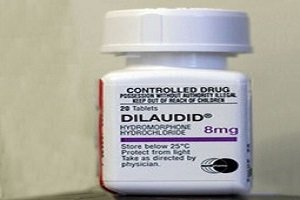
Buy Dilaudid (Hydromorphone) online in standard dosages, including 2mg, 4mg, and 8mg tablets. Used for managing severe pain in medical settings.
-
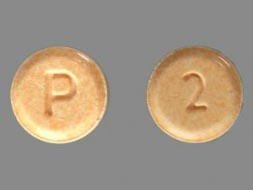
Dilaudid 2 mg
Price range: $480.00 through $1,350.00 -

Dilaudid 4 mg
Price range: $538.00 through $1,400.00 -
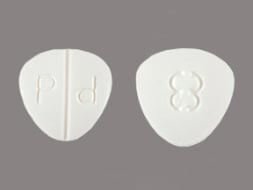
Dilaudid 8 mg
Price range: $548.00 through $1,435.00
When it comes to managing severe pain, few medications are as effective—or as carefully regulated—as Dilaudid. Known generically as hydromorphone, this powerful opioid analgesic has been a cornerstone of hospital-based pain management and palliative care for decades. However, its potency also brings significant responsibilities and risks. This comprehensive guide explores Dilaudid from multiple angles, providing essential information for patients, caregivers, and anyone seeking to understand this important medication.
What Is Dilaudid? Understanding the Basics
Dilaudid is the brand name for hydromorphone hydrochloride, a semi-synthetic opioid medication used to treat moderate-to-severe pain . It belongs to a class of drugs known as opioid analgesics and is classified as a Schedule II controlled substance by the U.S. Drug Enforcement Administration, indicating its high potential for abuse and dependence .
The medication is available in multiple formulations to meet different clinical needs:
- Immediate-release tablets: 2 mg, 4 mg, and 8 mg strengths
- Extended-release tablets (Exalgo) : 8 mg, 12 mg, 16 mg, and 32 mg
- Oral liquid solution: 5 mg/5 mL
- Injectable solutions: Various concentrations for intravenous, intramuscular, or subcutaneous administration
- Rectal suppositories: 3 mg strength
How It Works: The Mechanism of Action
Understanding how Dilaudid works in the body helps explain both its therapeutic benefits and its risks. Hydromorphone is a derivative of morphine, but it’s approximately five times more potent on a weight-for-weight basis .
The Mu-Opioid Receptor Pathway
Dilaudid works primarily by binding to mu-opioid receptors in the brain, spinal cord, and gastrointestinal tract . As a “full agonist” at these receptors, it produces a stronger effect at higher doses . When hydromorphone binds to these receptors, it triggers a cascade of cellular events:
- G-protein activation: The drug stimulates the exchange of guanosine triphosphate (GTP) for guanosine diphosphate (GDP) on the G-protein complex
- Enzyme inhibition: It interacts with and inhibits adenylate cyclase, reducing intracellular cyclic AMP
- Ion channel effects: Voltage-gated potassium channels are activated, causing hyperpolarization and reducing neuronal excitability
- Calcium channel inhibition: The opening of voltage-gated calcium channels is inhibited, reducing neurotransmitter release
This complex mechanism ultimately reduces the transmission of pain signals throughout the nervous system, providing effective analgesia while also affecting other bodily functions like respiration and gastrointestinal motility.
Approved Uses: When Is Dilaudid Prescribed?
Dilaudid is indicated for the management of pain severe enough to require an opioid analgesic and for which alternative treatments are inadequate . This includes both acute and chronic pain conditions.
Appropriate Clinical Applications
- Post-surgical pain: Often used in hospital settings following major surgeries
- Cancer-related pain: Commonly employed in palliative care and oncology
- Severe injury pain: For traumatic injuries requiring potent analgesia
- Breakthrough pain: Immediate-release formulations can address pain flares in opioid-tolerant patients
- Chronic severe pain: Extended-release formulations (Exalgo) are reserved for around-the-clock pain management in opioid-tolerant individuals
Important Limitations of Use
Healthcare providers must carefully consider whether Dilaudid is appropriate for each patient. The medication should be reserved for situations where non-opioid alternatives or other opioid combination products:
- Have not been tolerated, or
- Have not provided adequate analgesia, or
- Are not expected to provide adequate relief
Many acute pain conditions, such as those following surgical procedures or acute musculoskeletal injuries, typically require no more than a few days of opioid analgesia .
Dosage and Administration: Critical Safety Considerations
Dilaudid dosing requires careful individualization based on the patient’s pain severity, prior opioid exposure, and risk factors for addiction and misuse . The medication should be prescribed at the lowest effective dosage for the shortest duration consistent with individual treatment goals.
Adult Dosing Guidelines
Immediate-Release Oral Tablets/Liquid:
- Typical starting dose: 2-4 mg every 4-6 hours as needed for pain
- Oral liquid usual dose: 2.5-10 mg (2.5-10 mL) every 3-6 hours as needed
- Gradual dose increases may be required based on response
Injectable Administration:
- Intravenous: 0.2-1 mg every 2-3 hours, given slowly over 2-3 minutes
- Intramuscular/Subcutaneous: 1-2 mg every 2-3 hours as needed
- Continuous IV infusion: 0.5-3 mg/hour, titrated to response
Extended-Release Tablets (Exalgo):
- For opioid-tolerant patients only
- Starting dose based on prior opioid requirements: 8-64 mg once daily
- Tablets must be swallowed whole—crushing, dividing, or dissolving can cause fatal overdose
Special Populations
Elderly Patients: Initial doses should be reduced by 25-50% in patients over 70 years .
Hepatic Impairment: Initiate treatment with one-fourth to one-half the usual starting dose, depending on the degree of impairment .
Renal Impairment: Similar dose reductions are recommended, with treatment starting at 25-50% of the usual dose .
Pediatric Patients: Dosing is weight-based and requires careful calculation:
- Oral: 0.03-0.08 mg/kg every 4-6 hours (children); 1-4 mg/dose (adolescents)
- IV: 0.015 mg/kg every 4-6 hours (children); 1-2 mg/dose (adolescents)
Patient-Controlled Analgesia (PCA)
In hospital settings, patients may receive Dilaudid via PCA pumps, which allow self-administration of small, preset doses within safety parameters:
- Usual concentration: 0.2 mg/mL
- Demand dose: 0.1-0.2 mg (range 0.05-0.4 mg)
- Lockout interval: 5-10 minutes
Overdose Symptoms: Recognizing a Medical Emergency
Dilaudid overdose is a life-threatening emergency requiring immediate medical intervention. Because hydromorphone is five to seven times more potent than morphine, the margin between therapeutic and toxic doses can be narrow .
Key Signs of Opioid Overdose
Respiratory Changes:
- Slow breathing (less than one breath every 5 seconds) or no breathing
- Shallow, irregular respirations
- Snoring or gurgling noises (indicating airway obstruction)
Physical Appearance:
- Face is pale and clammy
- Blue lips, fingernails, or toenails (cyanosis)
- Lips, fingers, or toes looking gray or blue
Level of Consciousness:
- Unresponsiveness to voice or sternal rub
- Extreme sedation or inability to wake
- Slow, erratic, or no pulse
Emergency Response Protocol
If you suspect an opioid overdose:
- Call 911 immediately – State that someone is unresponsive and not breathing
- Attempt to wake the person – Yell their name and rub the middle of their chest with your knuckles
- Check airway – Ensure nothing is blocking breathing
- Begin rescue breathing – Tilt head back, lift chin, pinch nose, give one breath every 5 seconds
- Administer naloxone if available (see instructions below)
- Position on side if breathing resumes to prevent choking on vomit
- Repeat naloxone if no response within 2-3 minutes
Naloxone Administration
Naloxone (Narcan) is an opioid antagonist that can reverse Dilaudid overdose. To administer nasal spray:
- Position the person on their back
- Insert nozzle into one nostril
- Press plunger firmly to deliver dose
- If unresponsive after 2-3 minutes, give second dose in other nostril
Naloxone is harmless if given to someone not having an opioid overdose, but it will precipitate immediate withdrawal in opioid-dependent individuals . Healthcare providers should assess the need for naloxone when initiating or renewing Dilaudid treatment, particularly for patients with risk factors for overdose .
Who Should Avoid Dilaudid?
Dilaudid is contraindicated in several populations and clinical situations due to the risk of severe adverse events .
Absolute Contraindications
- Significant respiratory depression – Using Dilaudid in patients with already compromised breathing can be fatal
- Acute or severe bronchial asthma – Particularly in unmonitored settings without resuscitative equipment
- Known or suspected gastrointestinal obstruction – Including paralytic ileus
- Hypersensitivity – To hydromorphone, hydromorphone salts, sulfite-containing medications, or any product components
High-Risk Populations Requiring Extra Caution
Pregnant and Breastfeeding Women: Prolonged use during pregnancy can result in neonatal opioid withdrawal syndrome, which may be life-threatening if not recognized and treated . Dilaudid passes into breast milk, so breastfeeding mothers should consult their healthcare provider .
Elderly, Cachectic, or Debilitated Patients: These individuals have increased risk of life-threatening respiratory depression due to altered pharmacokinetics and reduced physiologic reserve .
Patients with Respiratory Conditions: Those with chronic obstructive pulmonary disease, cor pulmonale, decreased respiratory reserve, hypoxia, or hypercapnia face heightened risks even at recommended doses .
History of Substance Abuse: Patients with personal or family history of substance use disorders require intensive counseling and monitoring .
Liver or Kidney Disease: Impaired organ function can significantly alter drug clearance, requiring dose adjustments .
Warnings: Understanding the Serious Risks
The prescribing information for Dilaudid carries several significant warnings, including a boxed warning—the most serious type of warning from the FDA .
Addiction, Abuse, and Misuse
Dilaudid exposes users to risks of addiction, abuse, and misuse, which can lead to overdose and death—even at recommended doses . Addiction can occur in patients appropriately prescribed the medication. Risk assessment should occur before prescribing, with regular monitoring for development of these behaviors .
Life-Threatening Respiratory Depression
Serious, fatal respiratory depression can occur at any time during use, with highest risk during initiation or following dosage increases . Proper dosing and titration are essential to minimize this risk. Carbon dioxide retention from opioid-induced respiratory depression can exacerbate sedating effects .
Concomitant Use with CNS Depressants
Profound sedation, respiratory depression, coma, and death may result from combining Dilaudid with benzodiazepines, other CNS depressants, or alcohol . Observational studies demonstrate increased mortality with combined use. If concomitant prescribing is necessary, use the lowest effective doses for the shortest duration .
Neonatal Opioid Withdrawal Syndrome
Prolonged maternal use during pregnancy can result in neonatal withdrawal, which may be life-threatening and requires management by neonatology experts . Signs include irritability, hyperactivity, abnormal sleep pattern, high-pitched cry, tremors, vomiting, diarrhea, and failure to gain weight .
Opioid-Induced Hyperalgesia
Paradoxically, opioid analgesics can sometimes cause an increase in pain or sensitivity to pain (hyperalgesia) . This differs from tolerance, where higher doses are needed to achieve the same effect. If suspected, dose reduction or opioid rotation may be considered .
Adrenal Insufficiency
Cases of adrenal insufficiency have been reported with opioid use, typically after more than one month of treatment. Symptoms may include nausea, vomiting, anorexia, fatigue, weakness, dizziness, and low blood pressure .
Severe Hypotension
Dilaudid may cause severe hypotension, including orthostatic hypotension in ambulatory patients. Risk increases in those with reduced blood volume or concurrent use of certain CNS depressants .
Guidelines for Safe Use
Following these guidelines can help maximize therapeutic benefits while minimizing risks.
Before Starting Dilaudid
- Discuss all medical conditions, especially breathing problems, head injuries, seizures, liver/kidney disease, and history of substance abuse
- Provide complete list of medications, including over-the-counter drugs and supplements
- Discuss pregnancy status or plans to become pregnant
- Ask about obtaining naloxone for emergency overdose treatment
During Treatment
- Take exactly as prescribed—never increase dose without consulting your doctor
- Use the measuring device provided with liquid medication for accurate dosing
- Avoid alcohol completely—it increases sedation, respiratory depression, and blood drug levels to potentially fatal levels
- Do not crush, chew, or dissolve extended-release tablets
- Rise slowly from sitting or lying positions to prevent falls from blood pressure drops
- Avoid driving or operating machinery until you know how Dilaudid affects you
- Eat high-fiber foods, drink plenty of water, and exercise to manage constipation
Discontinuation
Do not stop Dilaudid abruptly after prolonged use. Physical dependence develops over time, and sudden discontinuation can cause withdrawal symptoms . Your doctor will gradually taper the dose to minimize withdrawal effects .
Storage and Disposal
- Store at room temperature away from heat, light, and moisture
- Keep out of reach of children and pets—even one accidental dose can be fatal
- Ask your pharmacist how to dispose of unused medications safely
Effects: Side Effects and Adverse Reactions
Dilaudid affects multiple body systems, producing both therapeutic effects and unwanted side effects.
Common Side Effects
- Gastrointestinal: Nausea, vomiting, constipation, dry mouth, decreased appetite
- Nervous system: Dizziness, drowsiness, sedation, headache, lightheadedness
- Cardiovascular: Flushing, low blood pressure
- Skin: Sweating, itching
These common effects often improve within a few weeks as the body adjusts to the medication .
Serious Side Effects Requiring Immediate Medical Attention
- Respiratory depression: Slow, shallow, or stopped breathing
- Cardiovascular: Significant change in heart rate or blood pressure, fainting
- Neurological: Seizures, hallucinations, confusion, extreme changes in mood, impaired vision
- Gastrointestinal: Severe stomach or bowel pain, persistent vomiting or diarrhea
- Urinary: Difficulty or discomfort urinating
- Allergic reactions: Difficulty breathing, skin rash, itching, swelling of face/lips/throat
Long-Term Health Risks
Prolonged Dilaudid use can lead to:
- Physical dependence and addiction: Can develop within several weeks
- Tolerance: Needing higher doses to achieve the same pain relief
- Respiratory issues: Impaired function and increased risk of respiratory depression
- Decreased fertility: In both men and women
Withdrawal Symptoms
If Dilaudid is stopped abruptly after physical dependence develops, withdrawal symptoms may include:
- Unusual sweating, watery eyes, runny nose
- Chills, diarrhea
- Muscle aches, restlessness
- Anxiety, trouble sleeping
- Yawning, irritability
Manufacturers and Availability
Dilaudid is available as both brand-name and generic formulations.
Brand Manufacturers
Fresenius Kabi USA: Manufactures injectable Dilaudid formulations including 0.2 mg/mL, 0.5 mg/0.5 mL, 1 mg/mL, 2 mg/mL, and 4 mg/mL strengths .
Rhodes Pharmaceuticals: Manufactures oral tablets (2 mg, 4 mg, 8 mg) and oral solution (5 mg/5 mL) .
Generic Manufacturers
Multiple companies produce FDA-approved generic hydromorphone, including:
- Hikma: Injectable formulations in various strengths
- Hospira Inc: Injectable formulations
- Ascent Pharmaceuticals Inc: Oral tablets and solution
- Aurolife Pharma LLC: Oral tablets
- SpecGx LLC: Oral tablets
Important Note on Online Purchases
Fraudulent online pharmacies may attempt to sell illegal generic versions of Dilaudid. These medications may be counterfeit and potentially unsafe. Always purchase from reputable, valid online pharmacies and consult your healthcare provider if unsure .
Frequently Asked Questions (FAQs)
Is Dilaudid stronger than morphine?
Yes, Dilaudid is approximately 5-7 times more potent than morphine on a weight-for-weight basis . For example, 2 mg of injectable hydromorphone provides equivalent analgesia to approximately 10 mg of injectable morphine .
How long does Dilaudid take to work?
Immediate-release Dilaudid begins working within 15-30 minutes, with peak effects around 45 minutes and duration of 3-4 hours . Extended-release formulations take about 6 hours to peak and last approximately 13 hours .
Can I drink alcohol while taking Dilaudid?
Absolutely not. Alcohol increases the risk of severe sedation, respiratory depression, and can raise blood drug levels to potentially fatal levels . This combination has caused numerous overdose deaths.
What should I do if I miss a dose?
For immediate-release formulations taken as needed, skip the missed dose and take the next dose when needed for pain. For extended-release formulations taken on a fixed schedule, take the missed dose as soon as remembered unless it’s near the time for the next dose—then skip it. Never double doses.
Will Dilaudid show up on a drug test?
Yes, hydromorphone is typically detected on standard opioid drug screens. Inform the testing facility about all medications you take.
Is Dilaudid addictive?
Dilaudid has a high potential for addiction and physical dependence, even when taken as prescribed . This risk increases with longer use and higher doses. The medication is classified as Schedule II due to this abuse potential .
Can I drive while taking Dilaudid?
Dilaudid causes significant drowsiness and dizziness, impairing reaction time and judgment . Do not drive or operate machinery until you know how the medication affects you—this may take several days .
What is the difference between Dilaudid and other opioids?
Dilaudid is more potent than morphine, hydrocodone, and oxycodone, but less potent than fentanyl . It has a shorter half-life than morphine but a greater risk of sedation . All opioids carry similar risks of dependence and respiratory depression.
Conclusion
Dilaudid (hydromorphone) represents an important tool in the management of severe pain, offering potent analgesia for patients who need it most. Its effectiveness comes with significant responsibilities—for healthcare providers in appropriate patient selection and monitoring, and for patients in adhering to safety guidelines and recognizing potential risks.
The key to safe Dilaudid use lies in understanding its power and respecting its dangers. When used appropriately under medical supervision, it can provide meaningful relief for those suffering from severe pain. However, the risks of respiratory depression, addiction, and potentially fatal overdose require constant vigilance from patients, caregivers, and healthcare providers alike.
If you or someone you know is prescribed Dilaudid, maintain open communication with your healthcare team, follow dosing instructions precisely, and never hesitate to seek help if concerns arise about side effects, effectiveness, or signs of dependence. With proper precautions, this powerful medication can serve its intended purpose—relieving suffering while minimizing harm.
Disclaimer: This article is for informational purposes only and does not constitute medical advice. Always consult with a qualified healthcare professional for diagnosis, treatment decisions, and guidance regarding Dilaudid or any other medication. In case of suspected overdose, call 911 immediately.