Buy Adderall Pills Online
Buy Adderall Pills Online. Purchase Adderall in standard dosages, including 5mg, 10mg, 20mg, and 30mg IR tablets. For managing ADHD and improving focus.
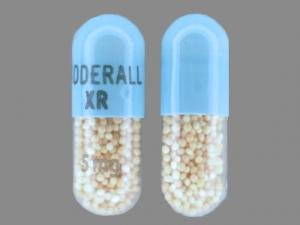
-
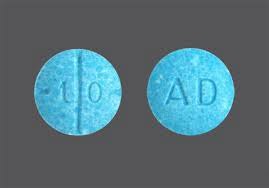
Adderall 10 mg
Price range: $538.00 through $1,514.00 -
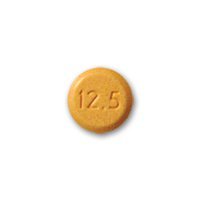
Adderall 12.5 mg
Price range: $548.00 through $1,519.00 -
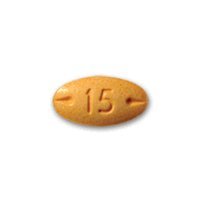
Adderall 15 mg
Price range: $558.00 through $1,524.00 -
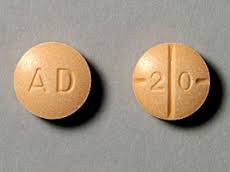
Adderall 20 mg
Price range: $562.00 through $1,529.00 -
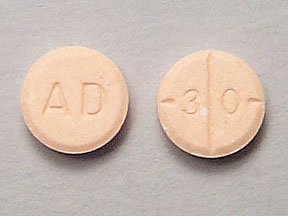
Adderall 30 mg
Price range: $533.00 through $1,507.00 -

Adderall 5 mg
Price range: $533.00 through $1,507.00 -
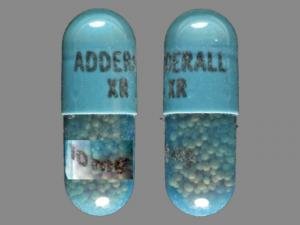
Adderall XR 10 mg
Price range: $538.00 through $1,514.00 -
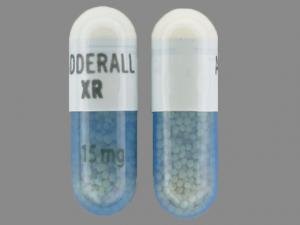
Adderall XR 15 mg
Price range: $558.00 through $1,524.00 -
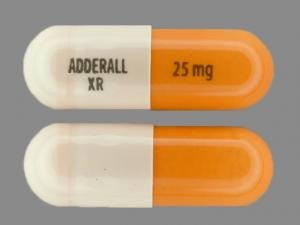
Adderall XR 25 mg
Price range: $562.00 through $1,529.00 -
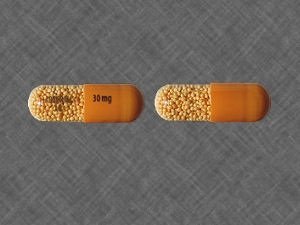
Adderall XR 30 mg
Price range: $567.00 through $1,537.00 -
Adderall XR 5 mg
Price range: $533.00 through $1,507.00
Adderall is one of the most widely prescribed medications for attention deficit hyperactivity disorder (ADHD) in the United States. As a central nervous system (CNS) stimulant, it has helped millions of adults and children improve focus, concentration, and impulse control. However, its potent effects and high potential for abuse make it a medication that requires careful medical supervision and strict adherence to prescribing guidelines.
This comprehensive guide provides a complete overview of Adderall, covering how it works, its approved uses, proper dosage, overdose symptoms, warnings, and frequently asked questions. This information is for educational purposes only and does not constitute medical advice. Always consult a healthcare professional before starting or stopping any medication.
What is Adderall and How Does It Work?
Adderall is a brand-name prescription medication that contains a combination of amphetamine and dextroamphetamine . It belongs to a class of drugs known as central nervous system (CNS) stimulants. The medication is available in two primary formulations:
- Adderall (Immediate-Release): An oral tablet approved for treating both ADHD and narcolepsy .
- Adderall XR (Extended-Release): An oral capsule designed for once-daily dosing and approved specifically for ADHD .
The name “amphetamine” was derived as an abbreviation of the chemical name alpha-methylphenethylamine. This compound was first synthesized in 1927 and given the trade name Benzedrine® .
Mechanism of Action
Adderall works by increasing the levels of key neurotransmitters in the brain, primarily dopamine and norepinephrine . The mechanism involves several actions:
- Primary Mechanism: Adderall increases the release of norepinephrine, dopamine, and serotonin from nerve terminals. It binds to presynaptic membrane transporters responsible for the reuptake of these neurotransmitters (NET, DAT, and SERT), resulting in efflux of these monoamines from the cytoplasmic pool into the extracellular space .
- Secondary Mechanisms: It can compete with monoamines for reuptake and, at high doses, may inhibit monoamine oxidase (MAO), though the clinical significance of this effect is debated .
The D-isomer (dextroamphetamine) is more potent than the L-isomer (levoamphetamine) . By increasing dopamine and norepinephrine availability, Adderall improves attention, focus, and impulse control while reducing hyperactivity .
Adderall vs. Adderall XR
It is important to distinguish between the two main formulations:
Note: “XR” means “extended release,” meaning the drug releases into your body slowly over time .
Primary Uses of Adderall
Adderall is FDA-approved for two main indications:
- Attention Deficit Hyperactivity Disorder (ADHD): Adderall (immediate-release) and Adderall XR (extended-release) are indicated for the treatment of ADHD in adults and pediatric patients 6 years and older . The use of Adderall XR is not recommended in pediatric patients younger than 6 years because they experience higher plasma exposure and a higher incidence of adverse reactions such as weight loss .
- Narcolepsy: Adderall (immediate-release) is also approved to treat narcolepsy, a condition characterized by extreme, involuntary daytime sleepiness, in adults and certain children .
Off-Label Uses
While not FDA-approved for this purpose, some psychiatrists may prescribe Adderall off-label as an augmentation strategy for treatment-resistant depression. This is typically considered only when depression hasn’t responded adequately to at least two different antidepressant medications and is most likely considered for people with severe fatigue, low energy, significant apathy, or cognitive symptoms .
Important: Research on using stimulants for depression shows mixed results. While some patients experience short-term improvements in energy and concentration, benefits are often temporary and may not address root causes .
Dosage and Administration
Dosage must be individualized based on the condition being treated, the patient’s age, and their medical history. The goal is to use the lowest effective dosage and individualize according to therapeutic needs and response .
Standard Dosage Guidelines
Note: Patients with end stage renal disease (ESRD) should not take Adderall XR .
Important Administration Tips
- Timing: Adderall XR should be given upon awakening. Afternoon doses should be avoided because of the potential for insomnia .
- Administration Options: XR capsules may be taken whole, or the capsule may be opened and the entire contents sprinkled on applesauce. The sprinkled applesauce should be consumed immediately without chewing. The dose of a single capsule should not be divided .
- Food: Adderall XR may be taken orally with or without food .
- Pretreatment Screening: Prior to prescribing, doctors should assess for cardiac disease (history, family history of sudden death, physical exam) and evaluate for tics or Tourette’s syndrome .
Overdose Symptoms
Taking too much Adderall can be dangerous and potentially life-threatening, especially when combined with other substances.
Risk Factors: Adderall overdose can occur when taken in larger doses than prescribed or when used illicitly. Factors that increase risk include age, weight, health status, dosage, combining with other substances, and method of administration (injecting or snorting increases risk) .
Symptoms of Overdose
Common Overdose Symptoms:
- Agitation and restlessness
- Heart palpitations
- Hyperactivity
- Increased body temperature
- Enlarged pupils
- Twitching or shaking
- Blurred vision
- Nausea, vomiting, or diarrhea
Severe Overdose Symptoms (requires immediate emergency care):
- Aggression
- Uncontrollable body movements
- Extreme increase in heart rate
- Rapid breathing
- Chest pain
- Confusion and hallucinations
- Delirium and paranoia
- Severe anxiety
- Seizures
- Loss of vision
- Fever
- Fainting
- Coma
Serotonin Syndrome
A rare but potentially fatal condition called serotonin syndrome can occur with Adderall overdose, particularly when combined with serotonergic medications such as antidepressants. Symptoms include extreme mood changes, fever, chills, sweating, dizziness, shaking, seizures, vomiting, blood pressure changes, and coma .
Treatment for Overdose
There is no specific antidote for Adderall overdose, but treatments can manage symptoms . Medical interventions may include:
- Benzodiazepines: To manage seizures and agitation
- Beta-blockers: To manage rapid and irregular heartbeat
- Antipsychotics: To manage psychotic symptoms, agitation, and delirium
If you suspect an overdose, call 911 immediately.
Who Should Avoid Adderall?
Adderall is contraindicated, meaning it should not be used, in the following situations :
- Hypersensitivity: Patients with known hypersensitivity or idiosyncrasy to amphetamine or other components of Adderall.
- MAO Inhibitors: Patients taking monoamine oxidase inhibitors (MAOIs) or within 14 days of stopping MAOIs (including linezolid or intravenous methylene blue) due to an increased risk of hypertensive crisis.
- Advanced Cardiovascular Disease: Patients with known structural cardiac abnormalities, cardiomyopathy, serious cardiac arrhythmias, coronary artery disease, or other serious cardiac disease should avoid Adderall .
- Hyperthyroidism
- Moderate to Severe Hypertension
- Lactation: Breastfeeding is not recommended .
- Glaucoma
Warnings and Precautions
The FDA places a Boxed Warning—the most serious warning—on Adderall regarding the high potential for abuse and dependence .
Boxed Warning: Abuse, Misuse, and Addiction
Adderall XR has a high potential for abuse and misuse, which can lead to the development of a substance use disorder, including addiction. Misuse and abuse of CNS stimulants, including Adderall XR, can result in overdose and death, and this risk is increased with higher doses or unapproved methods of administration, such as snorting or injection .
Before prescribing, doctors must assess each patient’s risk for abuse, misuse, and addiction. Throughout treatment, they must reassess this risk and monitor for signs of abuse, misuse, and addiction .
Other Serious Warnings
- Risks to Patients with Serious Cardiac Disease: Sudden death has been reported in patients with structural cardiac abnormalities or other serious cardiac disease who were treated with CNS stimulants at recommended ADHD dosages .
- Increased Blood Pressure and Heart Rate: Monitor blood pressure and pulse at appropriate intervals .
- Psychiatric Adverse Reactions: Prior to initiating, screen patients for risk factors for developing a manic episode. New or worsened psychosis or mania can occur .
- Long-Term Suppression of Growth in Pediatric Patients: Closely monitor growth (height and weight). Children not growing or gaining weight as expected may need treatment interruption .
- Seizures: May lower the convulsive threshold. Discontinue if seizures occur .
- Peripheral Vasculopathy (Raynaud’s Phenomenon): Careful observation for digital changes (numbness, coolness, pain, color changes) is necessary .
- Serotonin Syndrome: Increased risk when coadministered with serotonergic agents (SSRIs, SNRIs, triptans) .
- Motor and Verbal Tics: May worsen Tourette’s syndrome. Assess family history and evaluate for tics before initiating .
Effects of Adderall
Common Side Effects
Side effects vary by age group :
Adults:
- Dry mouth
- Loss of appetite
- Insomnia
- Headache
- Weight loss
- Nausea
- Anxiety and agitation
- Dizziness
- Tachycardia (increased heart rate)
Children and Adolescents (6-12 years):
- Loss of appetite
- Insomnia
- Abdominal pain
- Emotional lability
- Vomiting
- Nervousness
- Nausea
- Fever
Children and Adolescents (13-17 years):
Less Common but Serious Side Effects
- Sexual Side Effects: Decreased libido, erectile dysfunction, or frequent/prolonged erections (rare) .
- Allergic Reactions: Rash, hives, blistering skin, swelling of face/tongue/throat, difficulty breathing .
- Cardiovascular Events: Chest pain, shortness of breath, fainting .
- Psychiatric Symptoms: Hallucinations, paranoia, aggression, mania .
Who Manufactures Adderall?
The brand-name medication Adderall has a specific manufacturing history:
- Original Brand Manufacturer: Adderall was originally developed and marketed by Richwood Pharmaceuticals, which later merged with Shire Pharmaceuticals. Shire became the primary manufacturer and distributor of both Adderall and Adderall XR for many years.
- Current Manufacturer: The new drug application for Adderall XR is now held by Takeda Pharmaceuticals America, Inc. , following Takeda’s acquisition of Shire in 2019 .
- Generic Manufacturers: Since the patent expired, many companies have been approved by the FDA to manufacture generic mixed amphetamine salts. These include Teva Pharmaceuticals (which acquired the Actavis generic portfolio), Sandoz, Aurobindo Pharma, Lannett Company, and Mallinckrodt Pharmaceuticals .
Frequently Asked Questions (FAQs)
Q: Is Adderall the same as generic amphetamine salts?
A: Yes, Adderall is the brand name, and “amphetamine salt combo” or “mixed amphetamine salts” is the generic name. They contain the same active ingredients and are bioequivalent .
Q: How quickly does Adderall start working?
A: Adderall immediate-release typically begins working within 30 minutes to 1 hour. Adderall XR provides a delayed peak, with effects lasting throughout the day .
Q: Can Adderall be taken with antidepressants?
A: Caution is required. Combining Adderall with serotonergic antidepressants (SSRIs, SNRIs) increases the risk of serotonin syndrome . MAOIs are strictly contraindicated .
Q: Does Adderall cause weight loss?
A: Yes, appetite suppression and weight loss are very common side effects, particularly in children. Growth should be monitored in pediatric patients .
Q: Can I drink alcohol while taking Adderall?
A: No. Combining Adderall with alcohol is dangerous. Adderall is a stimulant and alcohol is a depressant; they can mask each other’s effects, leading to taking dangerously high doses of either substance and increasing the risk of cardiac events .
Q: Is Adderall safe during pregnancy?
A: Adderall may cause fetal harm and should only be used during pregnancy if the potential benefit justifies the potential risk to the fetus . Discuss this thoroughly with your doctor.
Q: Can elderly people take Adderall?
A: Elderly patients may be more sensitive to the effects and should be monitorE closely for cardiovascular events and psychiatric symptoms. Lower starting doses may be consideR based on clinical judgment.
Q: Is Adderall a controlled substance?
A: Yes, Adderall is a Schedule II controlled substance due to its high potential for abuse and dependence .
Medical Disclaimer
This content is for informational purposes only and is not a substitute for professional medical advice, diagnosis, or treatment. Always seek the advice of your physician or another qualified health provider with any questions you may have regarding a medical condition or medication. Never start, stop, or change medication without consulting your healthcare provider. Adderall is a controlled substance that requires a prescription and should only be used under close medical supervision .