Buy Gabapentin Pills Online in standard dosages, including 100mg, 300mg, 400mg, 600mg, and 800mg capsules and tablets. For nerve pain and seizure disorders.
-
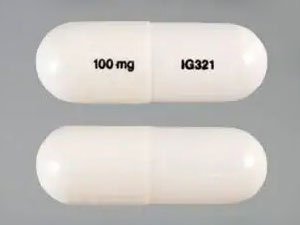
Gabapentin 100 mg
Price range: $219.00 through $252.00 -
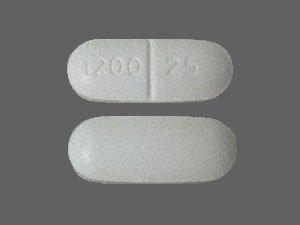
Gabapentin 1200 mg
$231.00 -
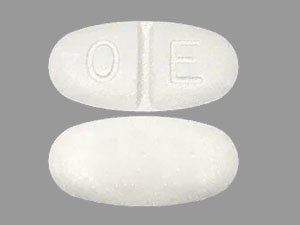
Gabapentin 1600 mg
Price range: $306.00 through $344.00 -
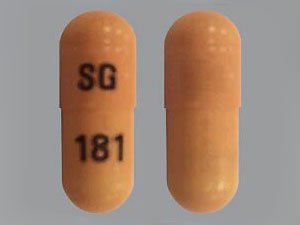
Gabapentin 400 mg
Price range: $242.00 through $297.00 -
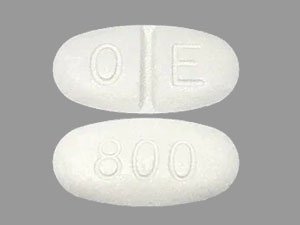
Gabapentin 800 mg
Price range: $282.00 through $329.00
In contemporary medicine, few medications have seen such a dramatic rise in use as Gabapentin. Initially approved in the early 1990s as an anticonvulsant, this drug has become a household name in pain management and beyond. By 2024, over 73 million prescriptions were written for it, and by 2022, approximately 5.7 million older adults in the U.S. alone had received a prescription . Often known by its brand name Neurontin, or its prodrug formulation Horizant (for Restless Legs Syndrome), Gabapentin is praised for its versatility and safety margin compared to opioids. However, its widespread use has also brought increased scrutiny regarding misuse, side effects, and off-label prescribing.
This guide will walk you through everything you need to know about Gabapentin pills, from the precise mechanism of how they work to essential safety warnings and manufacturer information.
How It Works: The Molecular Mechanism
Understanding how Gabapentin works requires a brief look at the brain’s wiring. For years, it was mistakenly thought to be a simple GABA (gamma-aminobutyric acid) mimic because of its name and structural similarity. However, Gabapentin does not bind to GABA receptors .
Instead, its primary mechanism of action is the modulation of voltage-gated calcium channels (VGCCs) . Specifically, Gabapentin binds with high affinity to the α2δ-1 and α2δ-2 subunits of these channels, which are located on presynaptic neurons . In plain terms, when nerves are overactive—such as during a seizure or neuropathic pain—calcium flows into the nerve cells, prompting the release of excitatory neurotransmitters (like glutamate). By binding to these calcium channels, Gabapentin “calms” the nerve, reducing the release of these pain and excitability signals. This suppression of excitatory neurotransmitters, particularly glutamate, is what provides relief from seizures and nerve pain .
Interestingly, the absorption of Gabapentin in the gut is “saturable.” This means that as the dose increases, the percentage of the drug absorbed actually decreases, a key factor in determining proper dosing schedules .
Uses: FDA-Approved and Common Off-Label Applications
Gabapentin is prescribed for a wide array of conditions, but it is essential to distinguish between its FDA-approved indications and its off-label uses.
FDA-Approved Uses
According to official prescribing information and the NIH’s DailyMed database, Gabapentin is approved for:
- Postherpetic Neuralgia: This is nerve pain that occurs as a complication of shingles (herpes zoster) .
- Partial-Onset Seizures: It is used as an adjunctive (add-on) therapy for adults and children (3 years and older) with epilepsy .
Off-Label and Common Uses
Despite only two primary approvals, Gabapentin is frequently prescribed for other conditions. A 2025 review noted its increasing use in “off-label indications” . These often include:
- Neuropathic Pain: Such as diabetic neuropathy or pain from spinal cord injuries .
- Anxiety Disorders: Some clinicians prescribe it for social anxiety or generalized anxiety disorder (GAD), particularly in patients who do not respond to SSRIs. However, experts advise that the evidence for GAD is sparse and inconsistent .
- Fibromyalgia and Sciatica: Many patients report relief, though clinical evidence varies .
- Behavioral and Psychological Symptoms of Dementia (BPSD) : In geriatric psychiatry, it is sometimes considered when other treatments fail .
Dosage and Administration
Dosing Gabapentin can be tricky due to its unique absorption pattern. It is available in various forms, including capsules, tablets, and an oral solution (250 mg/5 mL) . It is vital to follow a doctor’s prescription exactly, as dosages vary widely based on kidney function and the condition being treated.
General Titration Schedule for Adults (Postherpetic Neuralgia)
A standard initiation schedule, as detailed in the NIH prescribing information, is as follows :
- Day 1: 300 mg once daily.
- Day 2: 300 mg twice daily (600 mg/day).
- Day 3: 300 mg three times daily (900 mg/day).
- Subsequent: The dose can be titrated up to 1800 mg/day (600 mg three times a day). Some studies have used doses up to 3600 mg/day, though the additional benefit beyond 1800 mg for pain is not always clear .
Administration Tips
- Food: Gabapentin can be taken with or without food.
- Antacids: If you take antacids containing aluminum or magnesium (like Maalox or Mylanta), you should wait at least 2 hours before taking your next dose of Gabapentin, as antacids can reduce its absorption .
- Dosing Frequency: Because the half-life is short (5 to 7 hours), Gabapentin must usually be taken three times a day to maintain steady levels in the body. The maximum time between doses should not exceed 12 hours .
Special Populations
- Renal Impairment: Since Gabapentin is excreted unchanged by the kidneys, dosage adjustments are required for patients with kidney problems or those on hemodialysis .
- Elderly: Older patients may be more sensitive to side effects like dizziness and swelling, requiring careful monitoring .
Overdose Symptoms
While an overdose of Gabapentin alone is rarely fatal, it becomes extremely dangerous when combined with other substances. In 2020, gabapentin was detected in around 32% of all lethal drug overdoses, usually in combination with opioids .
Symptoms of Overdose can range from mild to severe:
- Mild to Moderate: Drowsiness, dizziness, blurred or double vision, slurred speech, nausea, vomiting, and lack of coordination .
- Severe (especially with CNS depressants): Respiratory depression (slow/shallow breathing), extreme lethargy, coma, low blood pressure, and rapid heart rate .
Emergency Action: If you suspect an overdose, call Poison Control (1-800-222-1222 in the U.S.) or 911 immediately. This is critical if the person is unresponsive or having trouble breathing.
Who Should Avoid Gabapentin?
Gabapentin is not safe for everyone. You should generally avoid or strictly caution against its use in the following scenarios :
- Hypersensitivity: Anyone with a known allergy to gabapentin or any of its ingredients.
- Severe Kidney Disease: Unless dose-adjusted by a physician.
- Pregnancy and Breastfeeding: While not strictly forbidden, it should only be used if the benefit clearly outweighs the risk. Gabapentin passes into breast milk. A pregnancy registry exists to monitor outcomes in exposed pregnancies (1-888-233-2334) .
- History of Substance Abuse: Due to its misuse potential (it is a Schedule V controlled substance in several U.S. states), caution is advised .
- Respiratory Issues: Patients with underlying lung disease or COPD are at higher risk for respiratory depression .
Warnings and Precautions
The FDA and manufacturers include several “Black Box” level warnings (though Gabapentin’s specific serious warnings are highlighted in Medication Guides) regarding the following :
- Suicidal Thoughts and Behavior: Like other antiepileptic drugs, gabapentin may increase the risk of suicidal thoughts or actions. Patients should be monitored for new or worsening depression, anxiety, agitation, or unusual mood changes.
- Respiratory Depression: Gabapentin can cause severe breathing problems, especially when used with opioids, benzodiazepines, or in patients with existing respiratory issues .
- Anaphylaxis and Angioedema: Serious allergic reactions can occur, including swelling of the face, lips, throat, and difficulty breathing. If this happens, stop taking the drug immediately.
- Abrupt Discontinuation: Suddenly stopping gabapentin can lead to withdrawal symptoms (anxiety, insomnia, nausea) or an increase in seizure frequency. It should be tapered off gradually over at least a week .
- Driving Impairment: Gabapentin causes significant drowsiness and dizziness, which can impair driving ability.
Guidelines for Safe Use
To ensure you are using Gabapentin safely, follow these practical guidelines :
- Never Mix with Alcohol or Depressants: Combining Gabapentin with alcohol, opioids, benzodiazepines, or muscle relaxants can lead to life-threatening respiratory depression and extreme sedation .
- Adherence to Schedule: Do not change your dose without talking to your doctor. Due to saturable absorption, doubling a dose does not simply double the effect and may increase side effects.
- Storage: Store at room temperature (68°F to 77°F / 20°C to 25°C) and keep out of reach of children.
- Medical ID: Consider wearing a medical alert bracelet or carrying a card that lists your medications, especially if you have epilepsy.
- Regular Reviews: Especially for older adults, it is important to periodically review the need for gabapentin with a healthcare provider to avoid “prescribing cascades” (where side effects from gabapentin, like swelling, are treated with other drugs like diuretics) .
Effects: Side Effects and Adverse Reactions
Gabapentin affects the central nervous system, so most side effects are related to brain function.
Common Side Effects (occurring in ≥8% of patients) :
- Dizziness
- Somnolence (drowsiness/sleepiness)
- Peripheral edema (swelling of the legs and feet)
- Ataxia (lack of coordination)
- Fatigue
- Nystagmus (uncontrolled eye movements)
- Viral infection (more common in children)
- DRESS Syndrome: A severe drug reaction with eosinophilia and systemic symptoms (rash, fever, swollen glands).
- Neuropsychiatric Events: In children (3-12 years), it can cause emotional lability, hostility, concentration problems, and hyperactivity .
- Cognitive Decline: In the elderly, it may cause confusion, cognitive impairment, and increase the risk of falls and fractures .
Manufacturers of Gabapentin
Since gabapentin is available as a generic medication, numerous pharmaceutical companies manufacture and package it. The patent for the brand-name version (Neurontin, originally by Warner-Lambert/Pfizer) expired years ago, allowing for widespread generic production.
According to drug supply data, manufacturers and suppliers include :
- Actavis Elizabeth
- Camber Pharmaceuticals, Inc. (markets the oral solution)
- Aphena Pharma Solutions (a packaging company)
- Proficient Rx LP (a repackager)
Other global distributors include RiteMED and various other generic manufacturers . The specific manufacturer can usually be found on the prescription bottle label.
Frequently Asked Questions (FAQs)
Q: Is Gabapentin a narcotic or controlled substance?
A: Gabapentin is not a narcotic (opioid). It is not a federally controlled substance in the U.S., but as of 2024, several states (including Kentucky, West Virginia, and Michigan) have classified it as a Schedule V controlled substance due to concerns about misuse and abuse potential .
Q: Can Gabapentin be used for anxiety?
A: It is sometimes prescribed off-label for anxiety, specifically social anxiety. However, experts at LifeStance Health note that “gabapentin is not a go-to option for anxiety” and should only be considered if first-line treatments like SSRIs have failed. The evidence for generalized anxiety disorder is limited .
Q: Why do I need to take Gabapentin three times a day?
A: Gabapentin has a short half-life (5-7 hours) and is eliminated from the body quickly. To maintain a consistent level of the drug in your system to prevent seizures or pain, it must be taken regularly throughout the day, usually every 8 hours .
Q: Can I just stop taking Gabapentin if I feel fine?
A: No. Abruptly stopping gabapentin can lead to withdrawal symptoms or rebound seizures. You should work with your doctor to taper off the medication gradually .
Q: What should I do if I miss a dose?
A: If you miss a dose, take it as soon as you remember. However, if it is almost time for your next dose, skip the missed one and take the next dose at the regular time. Do not double the dose.
Q: Does Gabapentin cause weight gain?
A: While not as common as with some other nerve pain medications, some patients do report weight gain and peripheral edema (swelling), which can contribute to an increase in overall body weight .
Disclaimer: This article is for informational purposes only and does not constitute medical advice. Always consult with a qualified healthcare professional for diagnosis and treatment decisions.
Buy Gabapentin Pills Online