Buy Hydrocodone Pills Online including 5mg, 7.5mg, and 10mg combination tablets, as well as extended-release 10mg to 120mg capsules. Used for managing severe pain.
-
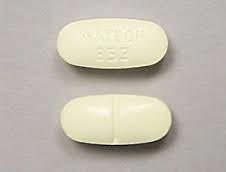
Hydrocodone 10-325mg
Price range: $538.00 through $1,514.00 -
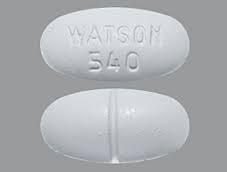
Hydrocodone 10-500 mg
Price range: $548.00 through $1,519.00 -
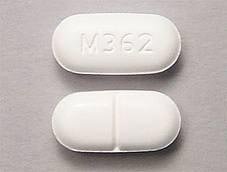
Hydrocodone 10-660 mg
Price range: $562.00 through $1,529.00 -
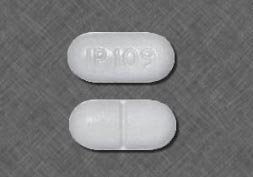
Hydrocodone 5-325 mg
Price range: $529.00 through $1,509.00 -
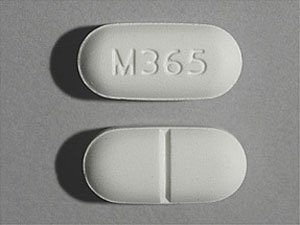
Hydrocodone m365
Price range: $538.00 through $1,514.00 -

Hydrocodone m367
Price range: $538.00 through $1,514.00
Hydrocodone occupies a unique position in the landscape of American medicine. It is simultaneously the most frequently prescribed opioid in the United States and a medication whose very name has become intertwined with the opioid epidemic. Unlike oxycodone, which was primarily developed for pain, hydrocodone has a dual identity: it is both a powerful analgesic and an effective antitussive (cough suppressant) . This duality has shaped its regulatory history, its prescribing patterns, and its role in public health.
This guide explores hydrocodone through a comprehensive lens: its German origins in 1920, its pharmacology as a prodrug requiring metabolic activation, the iconic brand names (Vicodin, Norco, Lortab) that became household words, the 2014 rescheduling that transformed prescribing practices, and the modern abuse-deterrent formulations designed to mitigate its risks. This information is for educational purposes only and does not constitute medical advice. Always consult a healthcare professional before starting or stopping any medication.
Section 1: The Origins of Hydrocodone—A German Discovery
1.1 Synthesis and Early History
Hydrocodone was first synthesized in 1920 by German chemists Carl Mannich and Helene Löwenheim . The compound they created was chemically known as dihydrocodeinone—a modification of codeine achieved through a process that hydrogenated the codeine molecule . This structural modification produced a compound with significantly greater potency than its parent molecule.
The chemical name “dihydrocodeinone” was eventually shortened to “hydrocodone,” following the pattern of naming conventions established by the World Health Organization’s International Nonproprietary Name program . In 1953, the WHO officially recommended “hydrocodone” as the international nonproprietary name .
1.2 Early Commercialization
The drug first entered the market under the brand name Dicodid (a phonetic rendering of “dihydrocodeinone”) in Germany in 1924 . It was initially marketed as a cough suppressant, recognizing its potent antitussive properties. In 1943, a combination product containing hydrocodone and homatropine methylbromide was introduced in the United States under the brand name Hycodan .
1.3 The Evolution of Brand Names
Throughout the mid-20th century, hydrocodone appeared under various names in medical literature and formularies. Chinese-language medical texts from the 1950s and 1960s referenced the drug as “大可地特” (Da Ke Di Te—a transliteration of Dicodid), “二氢可待因酮” (Er Qing Ke Dai Yin Tong—dihydrocodeinone), and later “氢可酮” (Qing Ke Tong—hydrocodone) .
The most significant commercial development came in 1983, when American pharmaceutical company Abbott Laboratories (now AbbVie) introduced a combination product containing hydrocodone and acetaminophen under the brand name Vicodin . This formulation would go on to become one of the most prescribed medications in American history.
Other major brand names followed, including:
- Lortab (various manufacturers)
- Norco (introduced by Watson Laboratories)
- Anexsia, Anolor DH, Lorcet, and others
Norco briefly entered the Chinese market in 2004 as “耐而可” (Nai Er Ke) .
1.4 Regulatory Classification Timeline
Hydrocodone’s regulatory status has evolved significantly over the decades:
The landmark October 2014 rescheduling by the Drug Enforcement Administration moved all hydrocodone combination products from Schedule III to Schedule II, imposing stricter prescribing requirements, prohibiting refills, and requiring written (later electronic) prescriptions . This represented one of the most significant regulatory shifts in opioid prescribing history.
Section 2: Pharmacology—How Hydrocodone Works
2.1 Mechanism of Action
Hydrocodone is a semi-synthetic opioid agonist derived from codeine . It exerts its effects primarily through activation of mu-opioid receptors (MOR) in the central nervous system, with additional activity at delta- and kappa-opioid receptors at higher plasma concentrations .
When hydrocodone binds to these G-protein-coupled receptors, it triggers a cascade of intracellular events:
- Inhibition of adenylate cyclase, reducing cyclic adenosine monophosphate (cAMP) formation
- Suppression of nociceptive (pain) neurotransmitter release (substance P, glutamate)
- Postsynaptic neuronal hyperpolarization
- Reduced neuronal excitability in pain pathways
The result is profound analgesia without affecting other sensory modalities such as touch .
2.2 The Prodrug Concept: Metabolism to Hydromorphone
One of the most fascinating aspects of hydrocodone pharmacology is its role as a prodrug. Hydrocodone itself has relatively modest opioid receptor affinity, but it is metabolized in the liver to a much more potent compound.
The CYP2D6 Pathway:
- Hydrocodone undergoes O-demethylation via the cytochrome P450 enzyme CYP2D6
- This metabolic step converts hydrocodone to hydromorphone (Dilaudid)
- Hydromorphone has approximately 100-fold higher affinity for mu-opioid receptors than hydrocodone
- Pain relief correlates more strongly with hydromorphone plasma concentrations than with hydrocodone itself
The CYP3A4 Pathway:
- Hydrocodone also undergoes N-demethylation via CYP3A4
- This produces norhydrocodone, an inactive metabolite
2.3 Genetic Variation: The CYP2D6 Polymorphism
Because CYP2D6 activity is genetically determined, patients exhibit significant variation in their response to hydrocodone :
| Metabolizer Phenotype | Population Frequency | Clinical Implication |
|---|---|---|
| Ultra-rapid metabolizers | Variable by ethnicity | Rapid conversion to hydromorphone; potential for enhanced effects and toxicity |
| Extensive/normal metabolizers | Most common | Expected therapeutic response |
| Intermediate metabolizers | Significant minority | Reduced hydromorphone formation |
| Poor metabolizers | ~5-10% of population | Minimal hydromorphone formation; potentially reduced analgesic efficacy |
For patients identified as intermediate or poor metabolizers who demonstrate inadequate response, clinicians should consider transitioning to an opioid not metabolized by CYP2D6, such as hydromorphone, oxymorphone, fentanyl, or buprenorphine .
2.4 Antitussive Mechanism
Hydrocodone’s effectiveness as a cough suppressant involves a distinct mechanism :
- Coughing is a protective reflex evoked by airway stimulation
- Narcotic antitussives attenuate coughs at the nucleus tractus solitarius level
- This occurs via repression of glutamatergic transmission
- Opioids depress the cough reflex by directly influencing a cough center in the medulla
- At higher doses, this same mechanism contributes to respiratory depression
2.5 Pharmacokinetics
Approximately 85% of the drug is eliminated in the urine within 24 hours of administration .
Section 3: Approved Uses and Indications
3.1 FDA-Approved Indications
Hydrocodone carries FDA approval for two primary indications :
1. Pain Management:
- Treatment of severe chronic pain requiring opioid analgesia
- Pain that is not effectively treated by non-opioid alternatives
- Moderate-to-severe pain in postoperative patients, trauma patients, and patients with cancer
Important: Hydrocodone should not be used as an “as-needed (PRN)” opioid analgesic . For chronic pain, it requires scheduled, around-the-clock dosing.
2. Antitussive (Cough Suppression):
- Treatment of nonproductive cough in adults
- Often combined with decongestants and antihistamines for symptoms associated with allergies or the common cold
3.2 2018 FDA Restriction on Cough/Cold Products
In January 2018, the FDA mandated safety labeling changes for prescription cough and cold medications containing hydrocodone or codeine, restricting their usage to individuals aged 18 and older . This action followed accumulating evidence of risks, particularly respiratory depression, in the pediatric population.
3.3 Limitations of Use
Hydrocodone is not indicated for :
- Mild or temporary pain
- Acute postoperative pain in most cases (increased risk of persistent postoperative opioid use and opioid-induced ventilatory impairment)
- As-needed (PRN) use for chronic conditions
- First-line therapy for chronic non-malignant pain
3.4 Geriatric Use Considerations
According to the 2023 American Geriatrics Society Beers Criteria, hydrocodone is considered a potentially inappropriate medication for older adults . To minimize the risk of falls and delirium, initial doses should be started at the lower end of the dosing range with close monitoring .
Section 4: Formulations and Dosage
4.1 Available Formulations
Hydrocodone is available in two fundamental categories: combination products and single-entity extended-release formulations.
Combination Products (Immediate-Release):
Extended-Release Single-Entity Products :
| Brand Name | Formulation Type | Strengths Available | Dosing Interval |
|---|---|---|---|
| Zohydro ER | Extended-release capsules | 10, 15, 20, 30, 40, 50 mg | Every 12 hours |
| Hysingla ER | Extended-release tablets (abuse-deterrent) | 20, 30, 40, 60, 80, 100, 120 mg | Every 24 hours |
Abuse-deterrent technology in Hysingla ER makes the tablet resistant to crushing, chewing, or dissolving for injection . The 50 mg Zohydro capsules and any single dose greater than 40 mg are reserved for opioid-tolerant individuals .
4.2 Adult Dosing Guidelines
Immediate-Release Combination Products :
- Initial dose: 1-2 tablets (containing 2.5-10 mg hydrocodone) every 4-6 hours as needed
- Maximum: Varies by product, but acetaminophen component should never exceed 4 grams/day
Extended-Release (Opioid-Naïve Patients) :
- Zohydro ER: 10 mg orally every 12 hours
- Hysingla ER: 20 mg orally every 24 hours
Critical Warning: Use of higher starting doses in patients who are not opioid tolerant may cause fatal respiratory depression .
4.3 Dose Adjustments for Special Populations
4.4 Tapering and Discontinuation
Abrupt discontinuation in physically dependent patients may result in :
- Severe withdrawal symptoms
- Uncontrolled pain
- Suicidal tendencies
Recommended tapering approach :
- Zohydro ER: Titrate down every 2-4 days
- Hysingla ER: Titrate down every 2-4 days; after reaching 20 mg once daily for 2-4 days, therapy can be discontinued
Section 5: Overdose Symptoms and Emergency Response
5.1 The Dual Toxicity of Hydrocodone/Acetaminophen Products
Overdose involving hydrocodone combination products presents a dual threat :
- Opioid toxicity from hydrocodone (respiratory depression, CNS depression, miosis)
- Hepatotoxicity from acetaminophen (liver failure)
This duality makes hydrocodone/acetaminophen overdoses particularly dangerous—a patient may survive the respiratory depression but still die from liver failure days later .
5.2 Signs and Symptoms of Overdose
Opioid-Mediated Symptoms:
- Respiratory depression (slow, shallow, or absent breathing)
- CNS depression (drowsiness progressing to stupor to coma)
- Miosis (pinpoint pupils)—though marked mydriasis may occur with hypoxia
- Cold, clammy skin
- Bradycardia and hypotension
- Muscle twitches, then flaccidity
Acetaminophen-Mediated Symptoms:
- Early: Nausea, vomiting, diaphoresis
- Late (24-72 hours): Right upper quadrant pain, elevated liver enzymes
- Delayed (3-5 days): Liver failure, jaundice, coagulopathy
Other Signs:
- Cyanosis (bluish fingernails and lips)
- Seizures
- Spasms of stomach and intestines
5.3 Immediate Actions
- Call 911 immediately. Do not assume the person will “sleep it off.”
- Do NOT induce vomiting unless directed by poison control.
- Check responsiveness and open the airway.
- Administer naloxone if available and trained.
- Recovery position: Place on side to prevent aspiration.
- Stay with the person until help arrives.
5.4 Emergency Medical Treatment
Hospital management addresses both components:
| Intervention | Purpose |
|---|---|
| Airway support/ventilation | Respiratory failure |
| Naloxone administration | Reverse opioid effects |
| Activated charcoal | Gastrointestinal decontamination (if early) |
| N-acetylcysteine (NAC) | Antidote for acetaminophen hepatotoxicity |
| Liver transplant evaluation | For fulminant hepatic failure |
5.5 Prognosis
- Amount of hydrocodone and acetaminophen ingested
- Time to treatment initiation
- Development of complications (pneumonia, brain damage from hypoxia, liver failure)
If medical attention occurs before serious breathing problems develop, recovery is typically complete within several days .
Section 6: Who Should Avoid Hydrocodone
6.1 Absolute Contraindications
Hydrocodone should not be used in patients with:
- Hypersensitivity to hydrocodone or any formulation components
- Significant respiratory depression in unmonitored settings
- Acute or severe bronchial asthma without resuscitative equipment
- Paralytic ileus, known or suspected gastrointestinal obstruction
- Severe hepatic impairment (for combination products—acetaminophen risk)
6.2 Conditions Requiring Extreme Caution
- Head injury or raised intracranial pressure (opioids may increase ICP and mask neurological status)
- Hypothyroidism, adrenal insufficiency
- Prostatic hypertrophy, urinary retention
- Pancreatitis, biliary tract disease
- Obstructive sleep apnea
- History of substance use disorder (personal or family history increases risk)
6.3 Pregnancy and Breastfeeding
- Hydrocodone crosses the placenta
- Prolonged use may result in neonatal opioid withdrawal syndrome (NOWS) —potentially life-threatening
- If use during pregnancy is necessary, the shortest duration possible is recommended
- Hydrocodone and metabolites are present in breast milk
- May cause neonatal drowsiness, CNS depression, and in severe cases, death
- Maximum daily maternal dose should not exceed 30 mg if breastfeeding is continued
- Non-narcotic analgesics are preferred during breastfeeding
- Contact physician immediately if infant exhibits increased drowsiness, difficulty feeding, or breathing problems
Section 7: Warnings—The Boxed Warning
The FDA places its most serious Boxed Warning on all hydrocodone products .
7.1 Addiction, Abuse, and Misuse
Hydrocodone exposes patients and users to risks of opioid addiction, abuse, and misuse, which can lead to overdose and death. Assess each patient’s risk before prescribing and monitor all patients regularly for these behaviors .
7.2 Opioid Analgesic REMS Program
To ensure benefits outweigh risks, the FDA requires a Risk Evaluation and Mitigation Strategy (REMS). Healthcare providers must:
- Complete REMS-compliant education
- Counsel patients on safe use, serious risks, storage, and disposal with every prescription
- Emphasize reading the Medication Guide
7.3 Life-Threatening Respiratory Depression
Serious, life-threatening, or fatal respiratory depression may occur at any time. Risk is highest during initiation or following dose increases. Accidental ingestion, especially by children, can be fatal .
7.4 Accidental Ingestion
Even one dose, if accidentally ingested (particularly by a child), can result in fatal overdose .
7.5 Neonatal Opioid Withdrawal Syndrome
Prolonged use during pregnancy can result in life-threatening withdrawal in the newborn, requiring management by neonatology experts .
7.6 Cytochrome P450 3A4 Interaction
Concomitant use with CYP3A4 inhibitors (e.g., ketoconazole, erythromycin) increases hydrocodone concentrations, potentially causing fatal respiratory depression. CYP3A4 inducers (e.g., rifampin, carbamazepine) may decrease effectiveness .
7.7 Risks from Concomitant Use with Benzodiazepines or Other CNS Depressants
This combination may result in profound sedation, respiratory depression, coma, and death. Reserve concomitant prescribing for patients with no alternative options; limit dosages and durations; and follow closely .
7.8 Hepatotoxicity (for Combination Products)
Acetaminophen has been associated with cases of acute liver failure, at times resulting in liver transplant and death. Most cases involve acetaminophen doses exceeding 4,000 milligrams per day, and often involve more than one acetaminophen-containing product .
7.9 Interaction with Alcohol
Instruct patients not to consume alcoholic beverages or use products containing alcohol while taking hydrocodone ER. Co-ingestion may result in increased plasma levels and potentially fatal overdose .
Section 8: Adverse Effects
8.1 Common Adverse Reactions
| System | Adverse Reactions |
|---|---|
| Gastrointestinal | Constipation (most common), nausea, vomiting |
| Nervous System | Drowsiness, dizziness, lethargy, headache, fatigue |
| Psychiatric | Anxiety, dysphoria, fear, mood changes |
| Dermatologic | Pruritus, skin rash, sweating |
| Genitourinary | Ureteral spasm, urinary retention |
8.2 Less Common but Serious Adverse Reactions
Respiratory: Respiratory depression, bronchospasm
Cardiovascular: Hypotension, bradycardia, orthostatic hypotension
Neurologic: Seizures, confusion, impairment of physical/psychological performance
Otologic: Progressive sensorineural hearing loss with chronic use (responsive to cochlear implantation)
Endocrine: Hypogonadotropic hypogonadism (sexual dysfunction, depression, reduced energy)
Immunologic: Inhibition of antibody and cellular immune responses
8.3 Opioid-Induced Hyperalgesia
A recently recognized phenomenon in which patients experience increasing pain despite increasing opioid doses .
8.4 Tolerance and Dependence
Tolerance (requiring increasing doses to maintain the same level of pain control) and physical dependence are the most common side effects of long-term hydrocodone use .
Section 9: Drug Interactions
9.1 Major Interactions
| Drug Class | Interaction Effect | Recommendation |
|---|---|---|
| CYP3A4 Inhibitors (erythromycin, ketoconazole, ritonavir) | Increased hydrocodone levels; risk of fatal respiratory depression | Monitor closely; dose reduction may be needed |
| CYP2D6 Inhibitors (paroxetine, fluoxetine, quinidine) | Reduced conversion to active hydromorphone; potential efficacy loss | Monitor for breakthrough pain |
| CYP3A4 Inducers (rifampin, carbamazepine, phenytoin) | Decreased hydrocodone levels; reduced efficacy | Monitor for breakthrough pain |
| Benzodiazepines & Other CNS Depressants (alcohol, sedatives, muscle relaxants) | Additive CNS depression; profound sedation; respiratory depression; coma; death | Avoid if possible; if necessary, use lowest doses and shortest duration |
| Serotonergic Drugs (SSRIs, SNRIs, TCAs, triptans, MAOIs) | Risk of serotonin syndrome (agitation, hallucinations, rapid heart rate, fever, muscle stiffness) | Monitor closely |
| Mixed Agonist/Antagonist Opioids (butorphanol, nalbuphine, pentazocine) | May reduce analgesic effect or precipitate withdrawal | Avoid |
9.2 Alcohol
Alcohol interacts in two dangerous ways :
- Pharmacokinetic: Increases hydrocodone absorption and peak concentrations
- Pharmacodynamic: Additive CNS depression
Patients should be instructed to avoid alcohol entirely while taking hydrocodone.
Section 10: Abuse-Deterrent Formulations and Patent Landscape
10.1 The Need for Abuse Deterrence
Like oxycodone, hydrocodone’s extended-release formulations were vulnerable to abuse through crushing (for snorting) or dissolving (for injection). The development of abuse-deterrent technologies aimed to make these routes of administration more difficult.
10.2 Key Abuse-Deterrent Patents
Patent 7,201,920, titled “Methods and compositions for deterring abuse of opioid containing dosage forms,” covers formulations combining :
- An opioid analgesic (including hydrocodone)
- Gel-forming polyethylene oxide (3-40% by weight)
- A disintegrant (2-25% by weight, such as crospovidone)
- Optionally, a surfactant (1-10%) and/or an emetic
These compositions function such that less than 50% of the opioid can be extracted when contacted with water, impeding injection abuse .
10.3 Major Extended-Release Products and Patent Protection
| Product | Manufacturer | Patent Protection | Abuse-Deterrent Features |
|---|---|---|---|
| Zohydro ER | Recro Gainesville | Multiple patents | Extended-release beads in capsules |
| Hysingla ER | Purdue Pharma | Multiple patents including opioid/polymer matrix | Abuse-deterrent tablet resistant to crushing and dissolution |
10.4 Patent Expirations and Generic Entry
Hydrocodone bitartrate has 386 patent family members in 50 countries and 16 drug master file entries . Multiple patents protecting specific formulations have expired or are expiring, allowing for generic versions:
- Zohydro ER: Multiple patents; tentative FDA approvals exist for generic extended-release capsules
- Hysingla ER: Paragraph IV challenges were filed in 2015
10.5 Manufacturers and Generic Sources
Brand Manufacturers:
- Purdue Pharma LP (Hysingla ER)
- Recro Gainesville (Zohydro ER)
- AbbVie (original Vicodin)
- Teva Branded Pharmaceuticals
- Strides Pharma
- Actavis Labs
- Amneal Pharmaceuticals
- Sun Pharmaceutical Industries
Major Generic Manufacturers:
- Alvogen
- Aurolife Pharma
- Lannett Company
- Mallinckrodt
- Mylan (Viatris)
- Rhodes Pharmaceuticals
- Sandoz (Novartis)
Section 11: Identification and Appearance
11.1 Pill Characteristics
Hydrocodone combination pills vary widely in appearance depending on manufacturer and dosage:
| Imprint | Description | Strength |
|---|---|---|
| M365 | White, oval tablet | 5 mg hydrocodone / 325 mg acetaminophen |
| M367 | White, oblong tablet | 10 mg hydrocodone / 325 mg acetaminophen |
| L484 | White, oblong tablet | 7.5 mg hydrocodone / 500 mg acetaminophen |
Common colors: White, yellow, orange
Common shapes: Round, oblong, capsule-shaped
11.2 Street Names
- Vike
- Watson (referring to Watson Pharmaceuticals, a common manufacturer)
- Norco
Section 12: Safe Use Guidelines
12.1 Critical Safety Rules
DO:
- Take exactly as prescribed, at the same times each day
- Swallow tablets/capsules whole—never crush, chew, or dissolve
- Contact provider if pain is not controlled
- Dispose of unused medication properly
- Store securely, out of sight and reach of children
DO NOT:
- Change the dose without consulting provider
- Use alcohol or products containing alcohol
- Drive or operate machinery until effects are known
- Share medication with anyone else (fatal to others)
- Use more than one acetaminophen-containing product simultaneously
12.2 Storage and Disposal
Storage: Store hydrocodone securely, in a location not accessible to others, including visitors .
Disposal: Dispose of expired, unwanted, or unused hydrocodone by flushing down the toilet if a drug take-back option is not readily available . This prevents accidental ingestion by children, pets, or others.
12.3 Naloxone Access
Healthcare providers should consider prescribing naloxone to patients at increased risk of overdose :
- Taking high doses of opioids
- Taking concomitant CNS depressants (benzodiazepines)
- With history of opioid use disorder or prior overdose
- With household members at risk for accidental ingestion
Patients and caregivers should be educated to recognize signs of opioid overdose and how to administer naloxone.
Section 13: Frequently Asked Questions (FAQs)
Q: What is the difference between Vicodin, Norco, and Lortab?
A: All three are brand names for hydrocodone combined with acetaminophen. They differ primarily in the ratio of hydrocodone to acetaminophen and in manufacturer. Norco typically contains 325 mg acetaminophen per tablet (lower than older Vicodin formulations), reducing hepatotoxicity risk.
Q: Is hydrocodone stronger than oxycodone?
A: Potency comparisons are complex. Oxycodone is generally considered slightly more potent on a milligram basis. Published conversion factors suggest that 1 mg hydrocodone ER is approximately equivalent to 0.67 mg morphine, while oxycodone conversion factors vary . Individual response varies significantly.
Q: Can I take hydrocodone with ibuprofen?
A: Combination products containing both hydrocodone and ibuprofen exist (e.g., Vicoprofen). However, adding additional ibuprofen to hydrocodone/acetaminophen products increases the risk of gastrointestinal bleeding and renal impairment. Always consult your provider before combining.
Q: Why was hydrocodone rescheduled to Schedule II in 2014?
A: The DEA rescheduled all hydrocodone products to Schedule II due to their high potential for abuse, the growing opioid epidemic, and the recognition that Schedule III classification (allowing refills and telephone prescriptions) was insufficient to control misuse .
Q: How long does hydrocodone stay in your system for a drug test?
A: Hydrocodone has a half-life of approximately 4 hours, meaning it takes about 20-22 hours for the drug to be completely eliminated from the body . However, detection windows in urine drug tests are typically 2-4 days.
Q: What is the maximum daily dose of acetaminophen?
A: The maximum daily acetaminophen dose from all sources is 4 grams (4,000 mg) . Exceeding this limit risks severe, potentially fatal liver injury. Many hydrocodone combination products now contain lower acetaminophen doses (325 mg per tablet) to reduce this risk.
Q: Can I stop taking hydrocodone suddenly?
A: No. Abrupt discontinuation in physically dependent patients can cause severe withdrawal symptoms, uncontrolled pain, and suicidal ideation . Work with your healthcare provider to gradually taper the dose .
Q: Is there a risk of serotonin syndrome with hydrocodone?
A: Yes, particularly when hydrocodone is combined with serotonergic drugs such as SSRIs, SNRIs, TCAs, triptans, or MAOIs . Symptoms include agitation, hallucinations, rapid heart rate, fever, and muscle stiffness.
Q: What should I do if I find old hydrocodone pills?
A: Do not take them. Dispose of them properly by flushing down the toilet if a drug take-back program is not immediately available . Check with your local pharmacy for drug take-back options.
Section 14: The Future of Hydrocodone
Hydrocodone remains one of the most commonly prescribed opioids in the United States, though prescribing rates have declined since their peak in the early 2010s. The future of hydrocodone will likely involve:
- Continued abuse-deterrent innovation: New formulations making misuse increasingly difficult
- Further restrictions on combination products: Given acetaminophen hepatotoxicity, single-entity ER products may become more prevalent
- Pharmacogenomic-guided prescribing: CYP2D6 testing to identify patients who may benefit from alternative opioids
- Enhanced REMS programs: Continued emphasis on prescriber education and patient counseling
- Non-opioid alternatives: Growing emphasis on multimodal analgesia to reduce opioid exposure
Conclusion
Hydrocodone’s century-long journey from a German laboratory to the most prescribed opioid in America reflects both the therapeutic potential and profound risks of opioid analgesics. Its dual role as a pain reliever and cough suppressant, its fascinating pharmacology as a prodrug requiring metabolic activation, and its iconic brand names (Vicodin, Norco, Lortab) have made it a household word.
The 2014 rescheduling to Schedule II fundamentally changed hydrocodone prescribing, eliminating refills and imposing stricter controls. Modern abuse-deterrent formulations (Zohydro ER, Hysingla ER) represent attempts to preserve therapeutic benefit while reducing misuse potential. Yet the fundamental risks—respiratory depression, addiction, overdose, and for combination products, acetaminophen hepatotoxicity—remain.
For patients prescribed hydrocodone, understanding its proper use, the critical importance of avoiding additional acetaminophen, the dangers of alcohol and benzodiazepine co-ingestion, and the signs of overdose is essential. Used as directed under close medical supervision, hydrocodone can provide meaningful pain relief for those with severe chronic pain. Misused or misunderstood, it carries potentially fatal consequences.
Medical Disclaimer
This content is for informational purposes only and is not a substitute for professional medical advice, diagnosis, or treatment. Always seek the advice of your physician or another qualified health provider with any questions you may have regarding a medical condition or medication. Never start, stop, or change medication without consulting your healthcare provider. Hydrocodone is a Schedule II controlled substance that requires a prescription and should only be used under close medical supervision due to its high potential for abuse and dependence. If you or someone you know is struggling with substance use disorder, help is available through SAMHSA’s National Helpline: 1-800-662-HELP (4357).
Buy Hydrocodone Pills Online