Buy Oxycontin online in extended-release dosages, including 10mg, 15mg, 20mg, 30mg, 40mg, 60mg, and 80mg tablets. Prescribed for around-the-clock pain management.
-
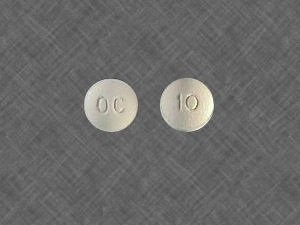
Oxycontin OC 10 mg
Price range: $538.00 through $1,514.00 -
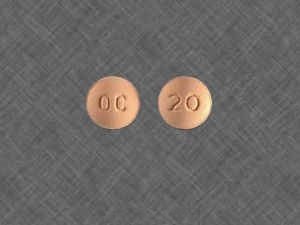
Oxycontin OC 20 mg
Price range: $548.00 through $1,519.00 -
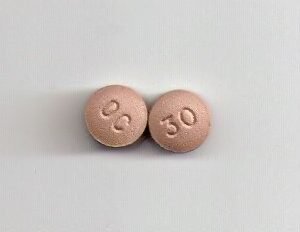
Oxycontin OC 30 mg
Price range: $558.00 through $1,524.00 -
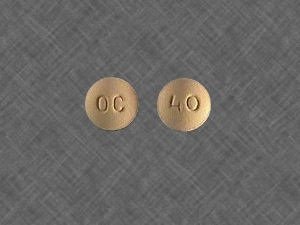
Oxycontin OC 40 mg
Price range: $562.00 through $1,529.00 -
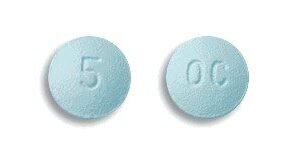
Oxycontin OC 5 mg
Price range: $533.00 through $1,507.00 -
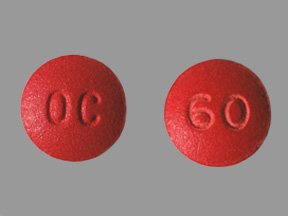
Oxycontin OC 60 mg
Price range: $572.00 through $1,541.00 -
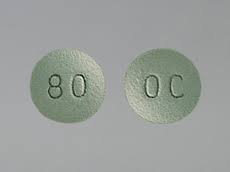
Oxycontin OC 80 mg
Price range: $579.00 through $1,547.00 -
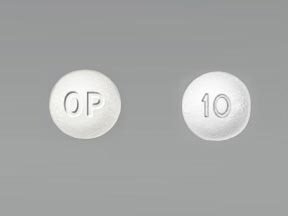
Oxycontin OP 10 mg
Price range: $533.00 through $1,507.00 -

Oxycontin OP 15 mg
Price range: $538.00 through $1,523.00 -
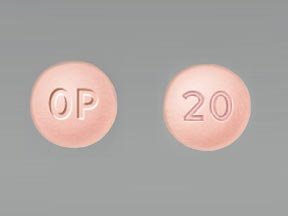
Oxycontin OP 20 mg
Price range: $548.00 through $1,519.00 -
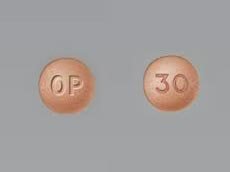
Oxycontin OP 30 mg
Price range: $558.00 through $1,524.00 -
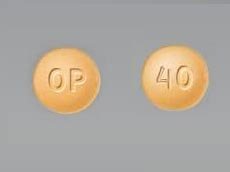
Oxycontin OP 40 mg
Price range: $562.00 through $1,529.00 -

Oxycontin OP 60 mg
Price range: $572.00 through $1,541.00 -
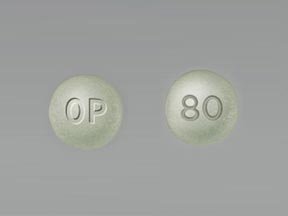
Oxycontin OP 80 mg
Price range: $579.00 through $1,547.00
No single prescription medication has shaped the American healthcare landscape—or its public consciousness—quite like OxyContin. Introduced in 1996 with the promise of revolutionizing pain management through its patented 12-hour extended-release technology, OxyContin was hailed as a breakthrough for patients suffering from chronic moderate-to-severe pain. Yet within a decade, its name had become synonymous with the opioid epidemic, sparking lawsuits, regulatory overhauls, and a national reckoning with the risks of opioid prescribing.
This guide explores OxyContin through a comprehensive lens: its unique pharmacology, approved uses, the pivotal role of its manufacturer Purdue Pharma, the evolution of abuse-deterrent technology, and the critical safety information every patient and caregiver must understand. This information is for educational purposes only and does not constitute medical advice. Always consult a healthcare professional before starting or stopping any medication.
Section 1: What is OxyContin? Understanding the Brand and Its Technology
1.1 Definition and Active Ingredient
OxyContin is the brand-name formulation of oxycodone hydrochloride, a semisynthetic opioid agonist . While the active ingredient is identical to generic oxycodone, OxyContin is distinguished by its extended-release (ER) mechanism. The medication is available in multiple strengths: 10 mg, 15 mg, 20 mg, 30 mg, 40 mg, 60 mg, and 80 mg tablets .
1.2 The “Contin” System: A Revolutionary Delivery Mechanism
The name “OxyContin” derives from the combination of “oxycodone” and “continuous.” The drug utilizes the “Contin” controlled-release system, a technology originally developed by Purdue Pharma for morphine (MS Contin) in 1984 . This system was designed to address a fundamental challenge in pain management: immediate-release opioids require dosing every 4-6 hours, causing peaks and troughs in pain relief and disrupting sleep.
The Contin system employs a dual-layer tablet formulation. When ingested, the outer layer provides an initial dose, while the inner matrix releases oxycodone gradually over 12 hours. This allows patients to take OxyContin every 12 hours rather than multiple times daily, providing consistent pain control and uninterrupted sleep .
Critical Warning: The extended-release mechanism depends entirely on the tablet remaining intact. If the tablet is crushed, chewed, broken, or dissolved, the entire 12-hour dose is released at once, resulting in a potentially fatal overdose .
1.3 How It Works: Mechanism of Action
Oxycodone, the active component, is a pure opioid agonist with high affinity for mu-opioid receptors in the central nervous system . When bound to these receptors, it triggers a cascade of effects:
- Inhibition of pain neurotransmitter release (substance P, glutamate)
- Hyperpolarization of pain-signaling neurons
- Reduction in the perception of and emotional response to pain
The extended-release formulation maintains these effects over the full 12-hour dosing interval, providing continuous analgesia for persistent pain conditions .
Section 2: The Manufacturer: Purdue Pharma and the Sackler Family
No discussion of OxyContin is complete without understanding the company that created it and the family that owned it. The story of OxyContin is inextricably linked to the rise and fall of Purdue Pharma.
2.1 Company Origins
Purdue Pharma traces its roots to 1892, when medical doctors John Purdue Gray and George Frederick Bingham founded the Purdue Frederick Company in New York City . The company initially manufactured proprietary medicines, including a tonic compound made with sherry and glycerin.
In 1952, the company was sold to three brothers—Arthur, Mortimer, and Raymond Sackler—who were physicians with a unique combination of clinical expertise and pharmaceutical marketing acumen . Arthur Sackler, in particular, had pioneered techniques for direct-to-physician pharmaceutical marketing, notably transforming Valium into the first drug to generate $100 million in revenue .
2.2 The Development of OxyContin
Under the Sackler brothers’ ownership, Purdue focused on pain management. In 1984, the company launched MS Contin (extended-release morphine), which became a mainstay in cancer pain treatment . Building on this success, Purdue set out to develop an extended-release formulation of oxycodone—a drug that had been available since 1916 but never in a long-acting form.
The strategy was clear: cancer patient populations are relatively stable, limiting revenue growth. If OxyContin could be approved for non-cancer pain—conditions like arthritis, back pain, and osteoarthritis—the market expanded exponentially .
2.3 FDA Approval and Marketing
OxyContin received FDA approval on December 12, 1995, and hit the market in 1996 . The approval process itself would later become controversial. Dr. Curtis Wright, the FDA medical officer who reviewed OxyContin, met with Purdue executives in a hotel room near FDA offices in early 1995, allowing company representatives to help draft portions of the medical officer’s review. Wright resigned from the FDA a year later and was subsequently employed as a consultant at Purdue with a substantially higher salary .
2.4 The Marketing Machine
Purdue launched an aggressive marketing campaign unprecedented for an opioid:
- Sales force expansion: From 318 representatives in 1996 to 671 in 2000
- Marketing expenditure: $200 million in 2001 alone
- Sales representative bonuses: Averaging over $70,000 annually, with some exceeding $250,000
- Physician targeting: Purdue compiled databases of physician prescribing patterns to identify high-volume prescribers for intensive marketing
The marketing messaging emphasized that the risk of addiction was “less than 1%” based on a single-paragraph letter published in a 1980 issue of the New England Journal of Medicine—a letter that described hospital-based patients, not chronic pain outpatients. This statistic would later be discredited and become central to numerous lawsuits.
2.5 Financial Trajectory
OxyContin’s sales followed a trajectory rarely seen in pharmaceuticals:
| Year | Annual Revenue |
|---|---|
| 1996 | $45 million |
| 2000 | $1.1 billion |
| 2010 | $3.1 billion (approximately) |
| 2016 | Cumulative $31 billion |
| 2017 | Cumulative $35 billion |
At its peak, OxyContin accounted for approximately 30% of the entire U.S. painkiller market . Crucially, Purdue’s patent on the original formulation did not expire until 2013, meaning a single private company controlled nearly a third of the American pain medication market for 17 years .
2.6 Legal Fallout and Bankruptcy
The company’s success ultimately became its liability. By 2001, at least 100 deaths had been linked to OxyContin abuse . In 2007, Purdue paid one of the largest fines ever levied against a pharmaceutical firm for misleading the public about OxyContin’s addictiveness .
On September 15, 2019, Purdue Pharma filed for Chapter 11 bankruptcy protection . In October 2020, the company reached a potential $8.3 billion settlement, admitting it had “knowingly and intentionally conspired” with others to aid doctors in dispensing medications “without a legitimate medical purpose” . Members of the Sackler family agreed to pay an additional $225 million.
The company has announced plans to rebrand as Knoa Pharma . Its downfall has been chronicled in multiple documentaries and series, including Hulu’s Dopesick, HBO’s The Crime of the Century, and Netflix’s Painkiller.
Section 3: Approved Uses and Indications
3.1 FDA-Approved Indications
OxyContin is indicated for the management of pain severe enough to require daily, around-the-clock, long-term opioid treatment when alternative treatment options are inadequate . Approved populations include:
- Adults requiring chronic opioid therapy
- Opioid-tolerant pediatric patients 11 years and older who are already receiving and tolerate a minimum daily opioid dose of at least 20 mg oral oxycodone or equivalent
3.2 Specific Pain Types
Cancer Pain: OxyContin is specifically indicated for moderate-to-severe pain in patients with cancer . Its predictable 12-hour duration makes it particularly suitable for this population.
Non-Malignant Pain: Opioids are not first-line therapy for chronic non-malignant pain and are not recommended as the only treatment . However, types of chronic pain that have been shown to be alleviated by strong opioids include chronic osteoarthritic pain and intervertebral disc disease .
3.3 Limitations of Use
Critical restrictions on OxyContin use include :
- Not for “as-needed” (prn) use — OxyContin is designed for scheduled, around-the-clock dosing
- Not for mild or temporary pain
- Not for acute postoperative pain due to increased risk of persistent postoperative opioid use and opioid-induced ventilatory impairment
- Reserved for patients in whom alternative treatment options are ineffective, not tolerated, or would otherwise be inadequate
The 60 mg and 80 mg tablets, as well as any single dose greater than 40 mg, are only for patients who have established opioid tolerance (taking at least 60 mg oral morphine daily or equivalent for one week or longer) .
Section 4: Dosage and Administration
4.1 Core Administration Rules
Swallow Whole: OxyContin tablets must be swallowed whole, one tablet at a time, with enough water to ensure complete swallowing immediately after placing in the mouth . Never cut, break, chew, crush, dissolve, snort, or inject OxyContin — doing so can cause rapid release and absorption of a potentially fatal dose .
Dosing Interval: Take exactly every 12 hours at the same times each day . Do not take more than one dose in 12 hours.
Missed Doses: If a dose is missed, skip it and take the next dose at the regular scheduled time. Do not double up .
4.2 Starting Dosing
Opioid-Naïve Adults: For patients not already taking opioids, initiate with 10 mg orally every 12 hours .
Conversion from Oral Morphine: The conversion ratio is approximately 10 mg oral oxycodone equivalent to 20 mg oral morphine . However, inter-patient variability requires careful individual titration.
Pediatric Patients (11+ years): OxyContin may be used only in pediatric patients already receiving and tolerating opioids for at least 5 consecutive days, with a minimum of 20 mg per day of oxycodone or equivalent for at least two days immediately preceding dosing .
4.3 Dose Adjustments
Maximum Dosing: Most patients require no more than 200 mg every 12 hours, though some may need higher doses. The highest reported clinical dose is 520 mg every 12 hours .
4.4 Discontinuation and Tapering
OxyContin should not be stopped abruptly. When therapy is no longer needed, gradually taper the dose to prevent withdrawal symptoms . A treatment strategy including duration, goals, and an end-of-treatment plan should be established before initiation .
Section 5: The Abuse-Deterrent Reformulation
5.1 The Problem: Crushing for Immediate Release
The original OxyContin formulation, while effective for pain management, had a fatal flaw: the extended-release mechanism could be completely defeated by crushing the tablet. Abusers discovered that crushed OxyContin could be snorted or dissolved and injected, delivering the entire 12-hour oxycodone dose at once—essentially converting a long-acting medication into an immediate-release “high” .
By 2001, the FDA issued warnings about this abuse pattern, noting at least 100 deaths linked to the drug .
5.2 Development of Abuse-Deterrent Technology
In response, Purdue developed a new formulation designed to resist common methods of abuse. The reformulated tablet incorporates a resin coating that makes it:
- Resistant to crushing into fine powder
- Difficult to dissolve in liquids for injection
- Gel-forming when dissolved, impeding injection
5.3 Regulatory Timeline
This labeling was “game-changing” —the first time the FDA had used such language on an opioid label .
5.4 Limitations of Abuse-Deterrent Formulations
It is crucial to understand what abuse-deterrent formulations do not do:
- They do not prevent abuse by swallowing whole tablets
- They do not prevent addiction or overdose when taken as intended
- They do not eliminate the risks of respiratory depression
- They do not make the medication safe for non-prescribed use
The abuse-deterrent properties are designed to make specific routes of abuse (snorting, injecting) more difficult, but they do not eliminate abuse potential entirely .
Section 6: Overdose Symptoms and Emergency Response
6.1 Recognizing Opioid Overdose
The Classic Triad of Opioid Overdose:
- Respiratory Depression: Slow, shallow, or stopped breathing. This is the most life-threatening effect .
- CNS Depression: Progressing from extreme drowsiness to stupor to unresponsiveness or coma .
- Miosis: Pinpoint pupils. However, in severe overdose with hypoxia, pupils may become dilated .
Other Signs:
- Cold, clammy skin
- Blue or ashen lips and fingertips
- Floppy arms and legs (muscle flaccidity)
- Slow heart rate (bradycardia) and low blood pressure
- Atypical snoring (sign of airway obstruction)
6.2 Immediate Actions
If overdose is suspected:
- Call 911 immediately. Do not assume the person will “sleep it off.”
- Check responsiveness: Shout, shake gently, rub knuckles on sternum.
- Administer naloxone if available and trained. Naloxone (Narcan) is an opioid antagonist that can reverse respiratory depression .
- Open the airway and check breathing.
- Recovery position: Place the person on their side to prevent aspiration if vomiting occurs .
- Stay with the person until help arrives.
6.3 Medical Management of Overdose
- Airway support and assisted ventilation
- Naloxone administration (0.4 mg to 2 mg IV, repeated as needed)
- Monitoring for renarcotization (naloxone’s duration is shorter than oxycodone’s)
- Treatment of hypotension and pulmonary edema
Important: In physically dependent patients, naloxone will precipitate acute withdrawal, which is extremely distressing but not life-threatening. Medical professionals must balance reversal of respiratory depression against withdrawal severity .
Section 7: Who Should Avoid OxyContin
7.1 Absolute Contraindications
OxyContin should not be used in patients with :
- Hypersensitivity to oxycodone or any tablet components (e.g., lactose)
- Significant respiratory depression in unmonitored settings
- Acute or severe bronchial asthma without resuscitative equipment
- Paralytic ileus, known or suspected gastrointestinal obstruction, or delayed gastric emptying
- Severe chronic obstructive lung disease and cor pulmonale
- Moderate to severe hepatic impairment
- Rare hereditary problems of galactose intolerance, Lapp lactase deficiency, or glucose-galactose malabsorption
7.2 Conditions Requiring Extreme Caution
OxyContin must be used with caution in patients with :
- Head injury or raised intracranial pressure (opioids may increase intracranial pressure and mask neurological status)
- Hypothyroidism, myxoedema, or Addison’s disease
- Prostate hypertrophy and urinary retention
- Pancreatitis and biliary tract disease
- Inflammatory bowel disorders
- Hypotension, hypovolaemia
- Sleep apnea
- History of substance use disorder (personal or family history increases risk of opioid use disorder)
Section 8: Warnings—The Boxed Warning
The FDA places its most serious Boxed Warning on OxyContin, addressing multiple life-threatening risks .
8.1 Addiction, Abuse, and Misuse
OxyContin exposes users to risks of opioid addiction, abuse, and misuse, which can lead to overdose and death. Assess each patient’s risk before prescribing and monitor regularly for these behaviors .
8.2 Opioid Analgesic REMS Program
To ensure benefits outweigh risks, the FDA requires a Risk Evaluation and Mitigation Strategy (REMS). Healthcare providers must:
- Complete REMS-compliant education
- Counsel patients on safe use, serious risks, storage, and disposal with every prescription
- Emphasize reading the Medication Guide
8.3 Life-Threatening Respiratory Depression
Serious, life-threatening, or fatal respiratory depression may occur at any time. Risk is highest during initiation or following dose increases. Accidental ingestion, especially by children, can be fatal .
8.4 Neonatal Opioid Withdrawal Syndrome
Prolonged use during pregnancy can result in life-threatening withdrawal in the newborn, requiring management by neonatology experts .
8.5 Cytochrome P450 3A4 Interaction
Concomitant use with CYP3A4 inhibitors (e.g., ketoconazole, erythromycin) increases oxycodone concentrations, potentially causing fatal respiratory depression. CYP3A4 inducers (e.g., rifampin, carbamazepine) may decrease effectiveness .
8.6 Risks from Concomitant Use with Benzodiazepines or Other CNS Depressants
This combination may result in profound sedation, respiratory depression, coma, and death. Reserve concomitant prescribing for patients with no alternative options; limit dosages and durations; and follow closely .
Section 9: Side Effects and Adverse Reactions
9.1 Common Adverse Reactions (incidence >5%)
According to clinical trial data :
| System | Adverse Reactions |
|---|---|
| Gastrointestinal | Constipation (most common), nausea, vomiting, dry mouth |
| Nervous System | Somnolence (drowsiness), dizziness, headache, fatigue |
| Dermatologic | Pruritus (itching), sweating |
| General | Asthenia (weakness) |
9.2 Less Common but Serious Adverse Reactions
- Respiratory: Respiratory depression, bronchospasm
- Cardiovascular: Hypotension, bradycardia, orthostatic hypotension
- Neurologic: Confusion, seizures, hallucinations, dysphoria, dream abnormalities
- Gastrointestinal: Paralytic ileus, biliary spasm
- Genitourinary: Urinary retention, decreased libido, erectile dysfunction
- Endocrine: Adrenal insufficiency, androgen deficiency with long-term use
9.3 Tolerance, Dependence, and Opioid Use Disorder
Repeated use of OxyContin may lead to Opioid Use Disorder (OUD). Higher doses and longer duration increase risk. Patients with personal or family history of substance use disorders, current tobacco users, or those with mental health disorders are at increased risk .
Before and during treatment, patients should be informed about OUD risks and signs. If signs occur, patients should contact their physician immediately .
Section 10: Drug Interactions
10.1 Major Interactions
10.2 Serotonergic Drugs
Caution with SSRIs, SNRIs, triptans, and other serotonergic agents due to risk of serotonin syndrome (agitation, hallucinations, rapid heart rate, fever, muscle stiffness) .
Section 11: Special Populations
11.1 Pregnancy and Breastfeeding
Pregnancy: Prolonged use during pregnancy can result in neonatal opioid withdrawal syndrome, which may be life-threatening if not recognized and treated . OxyContin is not recommended during pregnancy unless clearly necessary .
Breastfeeding: Oxycodone is excreted in breast milk and may cause respiratory depression in infants. Breastfeeding is not recommended during treatment .
11.2 Pediatric Patients
OxyContin is not recommended for patients under 18 years in many countries . In the U.S., it may be used in opioid-tolerant pediatric patients 11 years and older who meet specific criteria .
11.3 Geriatric Patients
Controlled studies show oxycodone clearance is only slightly reduced in elderly patients (>65 years). No dose adjustment is usually necessary, but elderly patients may be more sensitive to opioid effects and should be monitored closely .
11.4 Renal or Hepatic Impairment
Plasma concentrations may be increased. Reduce starting dose by 50% in these populations and titrate carefully .
Section 12: Naloxone and Overdose Prevention
12.1 Importance of Naloxone Access
Naloxone is an opioid antagonist that can reverse respiratory depression in overdose . Healthcare providers should consider prescribing naloxone to patients at increased risk, including those :
- Taking high doses of opioids
- Taking concomitant CNS depressants (benzodiazepines)
- With history of opioid use disorder or prior overdose
- With household members at risk for accidental ingestion
12.2 Patient Education on Naloxone
Patients and caregivers should be educated to :
- Recognize signs of opioid overdose
- Keep naloxone readily available
- Administer naloxone if overdose is suspected
- Call 911 immediately even if naloxone is given (its duration is shorter than oxycodone’s)
Section 13: Safe Use Guidelines
13.1 Storage and Disposal
Storage: Store OxyContin securely, out of sight and reach of children, and in a location not accessible by others, including visitors .
Disposal: Dispose of expired, unwanted, or unused OxyContin by promptly flushing down the toilet if a drug take-back option is not readily available . Visit www.fda.gov/drugdisposal for additional information.
13.2 What Patients Must Discuss with Their Healthcare Provider
Before taking OxyContin, patients should inform their provider about :
- History of head injury, seizures
- Liver, kidney, thyroid problems
- Problems urinating
- Pancreas or gallbladder problems
- History of substance abuse, alcohol addiction, opioid overdose
- Mental health problems
- Pregnancy, planned pregnancy, or breastfeeding
13.3 While Taking OxyContin
DO:
- Take exactly as prescribed
- Take every 12 hours at the same times daily
- Swallow tablets whole
- Contact provider if pain is not controlled
- Dispose of unused medication properly
DO NOT:
- Change the dose without consulting provider
- Cut, break, chew, crush, dissolve, snort, or inject tablets
- Drive or operate heavy machinery until effects are known
- Drink alcohol or use medications containing alcohol
- Give OxyContin to anyone else (it can cause fatal overdose)
Section 14: Frequently Asked Questions (FAQs)
Q: What is the difference between OxyContin and generic oxycodone?
A: OxyContin is the brand-name extended-release formulation designed for 12-hour dosing. Generic oxycodone is available in both immediate-release and extended-release formulations, but only OxyContin (and its authorized generics) uses the specific Contin controlled-release technology.
Q: Is OxyContin still available?
A: Yes, OxyContin remains available by prescription. The original formulation was discontinued in 2010 and replaced with an abuse-deterrent formulation. It is manufactured by Purdue Pharma and distributed through pharmacies .
Q: Can OxyContin be taken “as needed” for breakthrough pain?
A: No. OxyContin is specifically not indicated for as-needed (prn) use . It is designed for scheduled, around-the-clock dosing every 12 hours. Breakthrough pain should be managed with separate immediate-release medication as prescribed.
Q: What should I do if I find old OxyContin tablets?
A: Do not take them. Dispose of them properly by flushing down the toilet if a drug take-back program is not immediately available . Check with your local pharmacy for drug take-back options.
Q: Can I stop taking OxyContin suddenly?
A: No. Abrupt discontinuation in physically dependent patients can cause severe withdrawal symptoms. Work with your healthcare provider to gradually taper the dose .
Q: Is the abuse-deterrent formulation completely abuse-proof?
A: No. Abuse-deterrent formulations make certain routes of abuse (snorting, injecting) more difficult but do not eliminate abuse potential entirely. Oral ingestion of intact tablets still produces opioid effects, and addiction remains a risk .
Q: What is the current legal status of Purdue Pharma?
A: Purdue Pharma filed for Chapter 11 bankruptcy in September 2019. The company has announced plans to rebrand as Knoa Pharma. Legal proceedings continue, with ongoing appeals regarding the bankruptcy settlement and Sackler family liability .
Conclusion
OxyContin’s trajectory from innovative pain management technology to symbol of the opioid epidemic represents one of the most consequential chapters in modern medical history. Its unique 12-hour delivery system legitimately improved pain management for countless patients with cancer and chronic severe pain. Yet aggressive marketing, minimization of addiction risks, and the tragic vulnerability of its extended-release mechanism to abuse transformed it into a driver of widespread opioid misuse.
Today’s OxyContin—reformulated with abuse-deterrent properties and prescribed under far stricter guidelines—remains a powerful tool for appropriate patients under close medical supervision. Its history serves as a cautionary tale about the intersection of pharmaceutical innovation, marketing practices, and public health.
For patients prescribed OxyContin, understanding its proper use, risks, and safety requirements is essential. Used as directed under medical supervision, it can provide meaningful pain relief. Misused or misunderstood, it carries potentially fatal consequences.
Medical Disclaimer
This content is for informational purposes only and is not a substitute for professional medical advice, diagnosis, or treatment. Always seek the advice of your physician or another qualified health provider with any questions you may have regarding a medical condition or medication. Never start, stop, or change medication without consulting your healthcare provider. OxyContin is a Schedule II controlled substance that requires a prescription and should only be used under close medical supervision due to its high potential for abuse and dependence.
Buy Oxycontin Pills Online