Buy Tramadol online in standard dosages, including 50mg and 100mg tablets, as well as extended-release formulations. Used for managing moderate to moderately severe pain
-
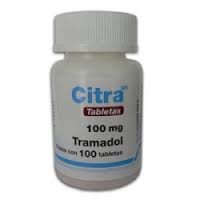
Tramadol 100 mg
Price range: $538.00 through $1,514.00 -

Tramadol 200 mg
Price range: $548.00 through $1,519.00 -
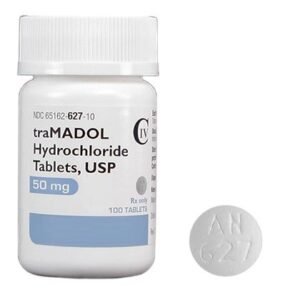
Tramadol 50 mg
Price range: $538.00 through $1,514.00
In the landscape of prescription pain relievers, Tramadol occupies a unique position as an analgesic that works differently than traditional opioids. Often perceived as having lower abuse potential, this medication still requires careful understanding and respect. If Tramadol has been prescribed for you or someone you care for, knowing its mechanisms, proper usage, and potential risks is essential for safe and effective treatment.
Note: This article is for informational purposes only and does not constitute medical advice. Always consult healthcare professionals before starting or changing any medication regimen.
What Is Tramadol?
Tramadol is a synthetic analgesic medication that belongs to the class of drugs known as opioid agonists. First synthesized in 1962 and approved by the FDA in 1995, Tramadol has become a widely prescribed medication for managing moderate to moderately severe pain . It’s available in several formulations, including immediate-release capsules, extended-release tablets, combination products with acetaminophen, and injectable solutions .
The most common formulation is the combination tablet containing 37.5 mg of tramadol hydrochloride and 325 mg of acetaminophen, though tramadol alone is also available in 50 mg and 100 mg strengths . This combination creates a synergistic effect, with both components working together to provide more effective pain relief.
Tramadol is classified as a Schedule IV controlled substance under the Controlled Substances Act, indicating它有 recognized medical use but also potential for abuse and dependence . It’s important to note that Tramadol is intended for short-term use of five days or less in most acute pain situations .
How It Works
Tramadol’s mechanism of action is more complex than typical opioids, involving multiple pathways in the central nervous system .
Dual Mechanism of Action
Opioid Receptor Activity: Tramadol and its primary metabolite (M1, or O-desmethyltramadol) act as agonists at µ-opioid receptors throughout the brain and spinal cord. While tramadol itself has relatively weak binding affinity—approximately 6,000 times less than morphine and 10 times less than codeine—its M1 metabolite is up to 200 times more potent at binding to µ-opioid receptors . This means that much of tramadol’s opioid effect actually comes after your body metabolizes the drug.
Neurotransmitter Reuptake Inhibition: Unlike most opioids, tramadol also inhibits the reuptake of norepinephrine and serotonin in the central nervous system . This action enhances descending pain inhibitory pathways, essentially helping your body’s natural systems block pain signals more effectively. The (+) enantiomer of tramadol preferentially inhibits serotonin uptake, while the (-) enantiomer primarily affects norepinephrine reuptake .
Pharmacokinetics
After oral administration, tramadol is rapidly absorbed with a bioavailability of approximately 70-75% due to first-pass metabolism in the liver . Peak plasma concentrations occur at about 2 hours for tramadol and 3 hours for the active M1 metabolite .
The drug is extensively metabolized in the liver through several pathways, including the CYP2D6 enzyme system responsible for converting tramadol to its active M1 metabolite . This genetic variability is critically important, as discussed later. Tramadol and its metabolites are primarily eliminated through the kidneys, with about 90% excreted in urine . The elimination half-life is approximately 5 to 6 hours for tramadol and 7 hours for M1 .
Uses of Tramadol
Tramadol is indicated for the management of moderate to severe pain in various clinical situations .
Approved Indications
- Acute pain: Post-surgical pain, injury-related pain, and acute musculoskeletal conditions
- Chronic pain conditions: Neuropathic pain, fibromyalgia, and osteoarthritis-related pain
- Cancer pain: Often used alone or in combination with other analgesics
- Other uses: Some evidence supports tramadol’s use in treating premature ejaculation
Limitations of Use
It’s crucial to understand that Tramadol combination products (with acetaminophen) are specifically indicated for short-term use of five days or less . The medication should be reserved for patients for whom alternative treatment options, such as non-opioid analgesics, have not been tolerated or have not provided adequate pain relief .
Dosage and Administration
Proper dosing is essential for both safety and effectiveness with Tramadol. The “lowest effective dose for the shortest duration” principle applies .
Standard Dosing Guidelines
For Tramadol combination tablets (37.5 mg/325 mg): The usual initial dose is 2 tablets every 4 to 6 hours as needed for pain, with a maximum of 8 tablets per day .
For Tramadol alone (50 mg capsules): The initial dose is 50 to 100 mg every 4 to 6 hours as needed, not exceeding 400 mg per day .
For patients concerned about side effects, an alternative approach is to start at 25 mg per day and increase by 25 mg every 3 days up to 25 mg four times daily, then increase by 50 mg every 3 days as tolerated .
Special Populations
Renal impairment: For patients with creatinine clearance below 30 mL/min, dosing interval should be extended to every 12 hours (not exceeding 2 tablets every 12 hours for the combination product) .
Hepatic impairment: Dose adjustment may be necessary in mild to moderate impairment, and use is not recommended in severe hepatic impairment .
Geriatric patients: For patients over 75 years, elimination may be prolonged, so dosage intervals should be extended as needed .
Important Administration Instructions
- Swallow tablets whole—do not crush, chew, or dissolve
- Do not exceed recommended dose or combine with other tramadol or acetaminophen products
- Intravenous injections must be given slowly over 2-3 minutes
- Do not discontinue abruptly if you’ve been taking tramadol regularly, as withdrawal symptoms may occur
Overdose Symptoms
Tramadol overdose can be serious and requires immediate emergency medical attention. Unlike pure opioids, tramadol overdose presents with a unique combination of symptoms due to its effects on multiple neurotransmitter systems .
Signs of Tramadol Overdose
- CNS effects: Drowsiness, headache, seizures (a distinctive feature of tramadol overdose), coma
- Respiratory depression: Slow, shallow, or difficult breathing
- Cardiovascular effects: Low heart rate, irregular heartbeats
- Eye changes: Pinpoint pupils (miosis) or, due to serotonin effects, dilated pupils (mydriasis)
- Other symptoms: Nausea, vomiting, constipation, loss of appetite
Important Considerations
Acute tramadol overdose is generally not considered life-threatening on its own, and most fatalities occur with polysubstance overdose involving other drugs or alcohol . The lethal dose of tramadol varies widely, ranging from 0.15 to 39 mg/L in blood, depending on individual factors and concurrent substances .
If overdose is suspected, immediately call emergency services (911) . While naloxone (Narcan) can reverse opioid effects, it may only partially reverse tramadol’s effects due to its additional mechanisms . Seizures may require benzodiazepine treatment .
Who Should Avoid Tramadol
Tramadol is contraindicated or requires extreme caution in several populations .
Absolute Contraindications
- Children under 12 years: Contraindicated due to risk of life-threatening respiratory depression
- Post-tonsillectomy/adenoidectomy patients under 18: Contraindicated for postoperative management
- MAOI users: Patients taking or who have taken monoamine oxidase inhibitors within the past 14 days
- Acute intoxication: With alcohol, hypnotics, analgesics, opioids, or psychotropic medications
- Uncontrolled epilepsy: Patients with epilepsy not adequately controlled by treatment
- Narcotic withdrawal: Not for use in narcotic withdrawal treatment
- Severe respiratory conditions: Significant respiratory depression, acute or severe bronchial asthma in unmonitored settings
- Gastrointestinal obstruction: Known or suspected gastrointestinal obstruction, including paralytic ileus
- Hypersensitivity: Known allergy to tramadol, acetaminophen, or any tablet ingredients
Populations Requiring Cautious Use
- Individuals with personal or family history of substance use disorder
- Patients with head injury, shock, or reduced consciousness
- Those with seizure disorders (tramadol lowers seizure threshold)
- Pregnant women: Category C—risk of neonatal withdrawal syndrome with prolonged use
- Breastfeeding mothers: Not recommended due to risk of infant respiratory depression, especially in ultra-rapid metabolizers
- Adolescents 12-18 with risk factors: Including obesity, obstructive sleep apnea, severe pulmonary disease, or concomitant use of respiratory depressants
Warnings
The FDA places several important warnings on tramadol products .
Boxed Warnings
Addiction, Abuse, and Misuse: Tramadol exposes users to risks of opioid addiction, abuse, and misuse, which can lead to overdose and death. Risk is assessed before prescribing and monitored regularly during treatment .
Life-Threatening Respiratory Depression: Serious, fatal respiratory depression can occur, especially during initiation or following dose increases. This risk is particularly pronounced in children and certain genetic subgroups .
Accidental Ingestion: Accidental ingestion of even one dose, particularly by children, can result in fatal overdose .
Risks with Benzodiazepines and CNS Depressants: Concomitant use with benzodiazepines, alcohol, or other central nervous system depressants may result in profound sedation, respiratory depression, coma, and death .
Neonatal Opioid Withdrawal Syndrome: Prolonged use during pregnancy can result in life-threatening withdrawal in newborns requiring specialized management .
CYP2D6 Genetic Variability: Ultra-rapid metabolizers convert tramadol to its active metabolite more rapidly, leading to higher M1 levels and potential for life-threatening respiratory depression even at prescribed doses. These individuals should not use tramadol .
Other Serious Warnings
Hepatotoxicity: Acetaminophen in combination products can cause acute liver failure at doses exceeding 4,000 mg per day .
Seizure Risk: Tramadol increases seizure risk, especially at doses above the recommended daily limit .
Serotonin Syndrome: Risk when combined with serotonergic medications .
Sleep-Related Breathing Disorders: Opioids can cause central sleep apnea and sleep-related hypoxemia .
Adrenal Insufficiency: Opioids may cause reversible adrenal insufficiency requiring monitoring and glucocorticoid replacement .
Hyperalgesia: Long-term use may paradoxically increase pain sensitivity .
Guidelines for Safe Use
Following these guidelines can help minimize risks while using tramadol effectively .
Before Starting Tramadol
- Discuss treatment goals: Have a clear conversation with your healthcare provider about expected benefits, duration of treatment, and plan for discontinuation .
- Discuss naloxone access: Ask if having naloxone (Narcan) at home is appropriate for your situation .
- Full medication review: Ensure your doctor knows all medications you’re taking, including antidepressants, migraine medications, and muscle relaxants.
During Treatment
- Take exactly as prescribed: Never change your dose without consulting your healthcare provider.
- Check all medications: Many OTC and prescription products contain acetaminophen—avoid exceeding 4,000 mg total daily.
- Avoid alcohol completely: Combining tramadol with alcohol intensifies effects and increases risks.
- Watch for warning signs: Be alert for difficulty breathing, confusion, signs of serotonin syndrome (agitation, hallucinations, fever, sweating, muscle stiffness), or seizure activity.
- Avoid driving: Until you know how tramadol affects you, refrain from driving or operating heavy machinery.
Discontinuing Tramadol
- Never stop suddenly: Work with your healthcare provider on a gradual tapering schedule .
- Recognize withdrawal symptoms: Restlessness, runny nose, yawning, sweating, chills, muscle aches, anxiety, insomnia, nausea, vomiting, diarrhea .
- Follow a tapering plan: Typically reduce by no more than 10% to 25% of the total daily dose to avoid withdrawal .
Storage and Disposal
- Safe storage: Keep tramadol in a secure place, out of reach of children, pets, and others.
- Proper disposal: Use drug take-back programs when available; otherwise, follow FDA guidelines for household disposal.
Effects of Tramadol
Common Side Effects
The most frequently observed effects include :
- Dizziness or lightheadedness
- Nausea and vomiting
- Constipation
- Drowsiness or sedation
- Headache
- Dry mouth
- Sweating
Serious Adverse Reactions
Seek immediate medical attention for :
- Seizures (a distinctive risk with tramadol)
- Trouble breathing or shortness of breath
- Signs of serotonin syndrome: Agitation, hallucinations, fever, sweating, muscle stiffness, twitching
- Chest pain or fast/irregular heartbeat
- Swelling of face, tongue, or throat
- Severe skin reactions: Blisters, peeling rash
- Signs of adrenal insufficiency: Severe nausea, vomiting, loss of appetite, extreme fatigue, low blood pressure
- Severe abdominal pain
Long-Term Effects
Extended use may influence hormonal function, potentially causing :
- Decreased libido
- Impotence or erectile dysfunction
- Absent menstrual periods
- Infertility
Comparison with Other Pain Relievers
A 2025 systematic review and meta-analysis comparing tramadol to other analgesics revealed important findings :
- Compared to other opioids: Tramadol did not significantly differ in efficacy (pain reduction of 30% or 50%) or in harm outcomes (adverse events, withdrawals)
- Compared to NSAIDs: Tramadol was less likely to achieve 30% pain reduction (risk ratio 0.82) and more likely to cause withdrawals due to adverse events (risk ratio 2.86)
- Tolerability: Tramadol was less well-tolerated than NSAIDs, with higher rates of total adverse events
These findings suggest that while tramadol is similar to other opioids, NSAIDs may be preferable when appropriate for the pain condition .
Manufacturers and Identification
Tramadol is manufactured by multiple pharmaceutical companies worldwide and is available in both brand and generic formulations. The original brand name for tramadol is Ultram, though it is now predominantly available as generic tramadol hydrochloride or in combination products .
Tramadol Combination Tablet Identification
Important Note on Appearance
Different manufacturers produce tablets with varying appearances, colors, and imprints. If your medication looks different than expected, always verify with your pharmacist rather than assuming it’s incorrect .
Counterfeit Detection
Be aware that counterfeit tramadol exists and may contain dangerous substances. Warning signs include:
- Packaging that appears damaged or tampered with
- Tablets that look different than usual (different color, size, or imprint)
- Unexpected effects or lack of expected pain relief
- Sourcing from unregulated online pharmacies
Purchasing tramadol without a valid prescription is illegal and extremely dangerous. Online sources offering “no prescription needed” often sell counterfeit products that may contain fentanyl or other harmful substances.
Frequently Asked Questions
Q: How long does tramadol stay in your system?
A: Tramadol has an elimination half-life of approximately 5-6 hours, with its active metabolite lasting about 7-8 hours . It can be detected in urine drug tests for 1-4 days after last use, depending on factors like metabolism, dosing frequency, and individual genetics.
Q: Is tramadol a narcotic?
A: Yes, tramadol is classified as an opioid analgesic and is a Schedule IV controlled substance. While it has lower abuse potential than some other opioids, it still carries risks of dependence and addiction .
Q: Can I take tramadol with ibuprofen or other pain relievers?
A: Only under direct medical supervision. While tramadol is sometimes combined with NSAIDs for enhanced pain relief, your doctor needs to evaluate potential interactions and ensure you’re not exceeding safe doses of any component, especially acetaminophen .
Q: Is tramadol safe for elderly patients?
A: Elderly patients (particularly over 75) may have prolonged elimination and increased sensitivity. Dosing intervals may need adjustment, and close monitoring is recommended .
Q: Can tramadol cause seizures?
A: Yes, tramadol is associated with increased seizure risk, especially at doses above 400 mg daily, in patients with seizure disorders, or when combined with other medications that lower the seizure threshold .
Q: What should I avoid while taking tramadol?
A: Avoid alcohol, driving or operating machinery until you know how tramadol affects you, and any other medications containing tramadol or acetaminophen without checking with your healthcare provider .
Q: How should I store tramadol?
A: Store at room temperature (68°F to 77°F) in its original container, tightly closed, away from moisture, heat, and light, and securely out of reach of children and pets.
Q: Is it safe to order tramadol online?
A: Purchasing tramadol without a valid prescription is illegal and extremely dangerous. Legitimate online pharmacies require a valid prescription from a licensed healthcare provider. Illegal online sources often sell counterfeit pills that may contain fentanyl or other harmful substances.
Q: What is the difference between tramadol and tramadol with acetaminophen?
A: Tramadol alone contains only the opioid component. Combination products add acetaminophen, which provides additional pain relief through a different mechanism. The combination may allow for lower tramadol doses but adds the risk of acetaminophen toxicity if dosing limits are exceeded .
Conclusion
Tramadol represents a unique option in pain management, combining opioid activity with neurotransmitter modulation for a distinctive analgesic profile. While generally considered to have lower abuse potential than traditional opioids, it carries important risks including seizures, serotonin syndrome, and genetic variability in metabolism that can lead to life-threatening complications in certain individuals.
When used appropriately under medical supervision, with careful attention to dosing guidelines, duration limits, and drug interactions, tramadol can provide effective relief for moderate to severe pain. The evidence suggests that while tramadol is similar to other opioids in efficacy and safety, NSAIDs may be preferable when appropriate for the pain condition . Understanding its mechanism, proper use, and potential risks empowers patients to use this medication safely as part of a comprehensive pain management strategy.
If you have concerns about tramadol or its effects, or if you suspect problems with misuse or dependence, help is available through healthcare providers, addiction specialists, and national helplines.
Disclaimer: This information is for educational purposes only and should not replace professional medical advice. Always consult healthcare providers for medical concerns, medication questions, or before starting or stopping any treatment.
Buy Tramadol Pills Online